

Open-mindedness and collaboration help make a successful teacher: A view from Georgia
 Georgia, one of the ETF’s Eastern Partnership countries, is having to contend with many of the educational challenges faced by other European countries. The global pandemic resulted in unprecedented interruptions to teaching and the solution to take the classroom online required teachers across the country to digitally upskill overnight, as well as contend with difficulties of inconsistent online access, especially in rural areas.
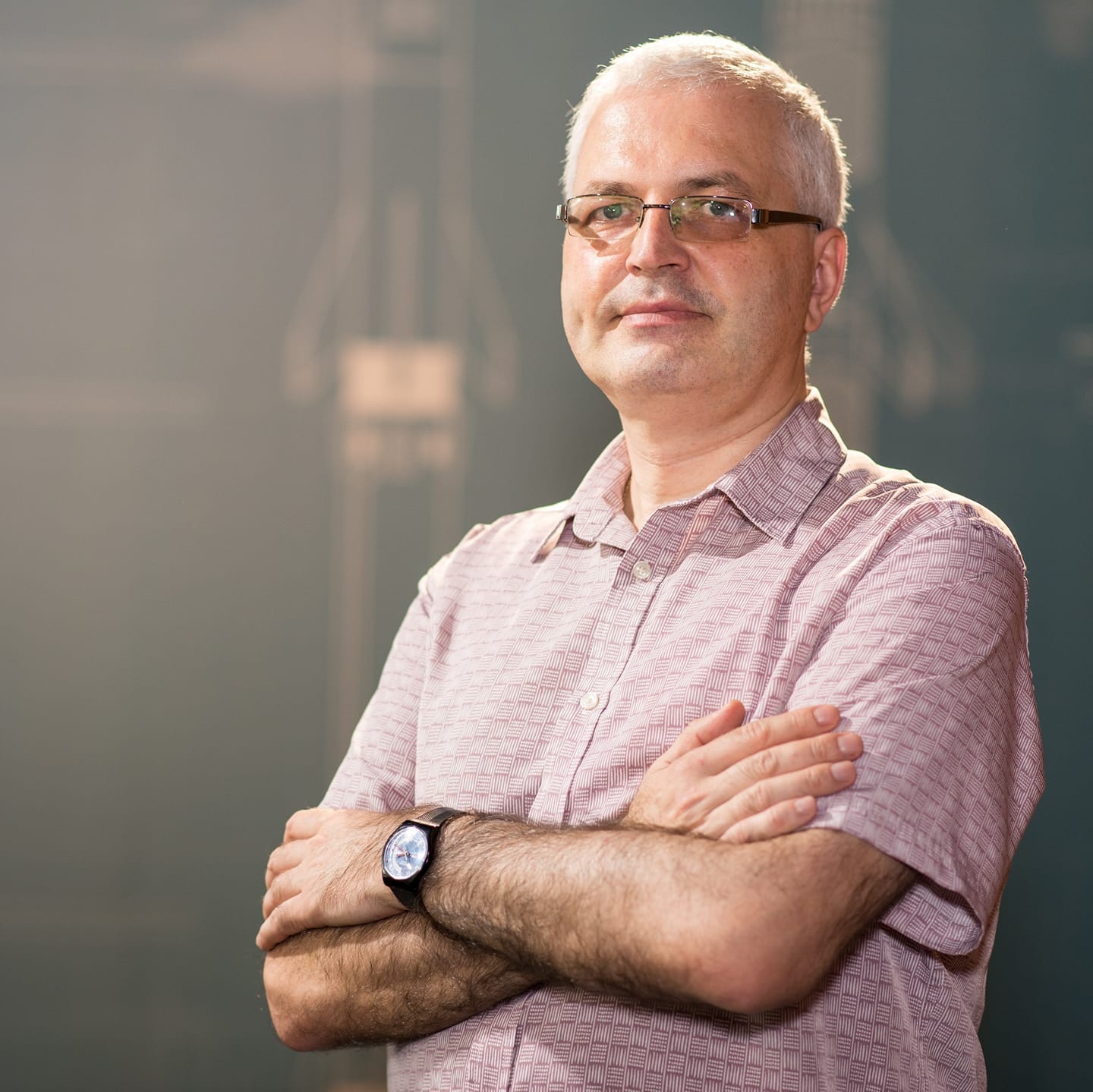
Merab Labadze, a lecturer of Innovation and Technology in Public Administration at both the Tbilisi State University and the Ilia State University recently shared his insights into the educational system in Georgia.
Merab's varied experiences working in international, ICT-focused educational project teams include adapting the successful Estonian Tiger Leap programme and implementing it in Georgia, and promoting the Intel-supported ‘Teaching with Technology’ programme and the STEM student science fair. These experiences, coupled with his initiatives to train teachers in ICT and digital skills, have led him to co-found and direct the NGO Innovative Education Foundation, an institution supporting STEM and ICT education development in Georgia.
“The characteristics that make for a successful teacher are open-mindedness, willingness to try new methods, and cooperation with peers and students”, believes Merab. Regarding digital skills, “students are often more informed and knowledgeable than the teacher” and so recognising the value of sharing this expertise can lead to innovation in the classroom.
However, with the average age of a teacher in Georgia being around 60 years old, this new digital way of working has not been embraced by all. Many teachers who had to upskill quickly in response to Covid-19 have since reverted to a more traditional method of teaching and “have, in effect, just stopped using the technology”. Working conditions as a teacher are also a barrier to attracting younger, more digitally skilled people into the profession.
“In Georgia, being a teacher is not such an esteemed profession and the pay is low. A lot of teachers supplement their salaries by working as private tutors outside school hours and in rural areas, many teachers are also farmers”.
Difficulties are compounded when new incoming administrations implement changes that can lack clarity or create a work overload.
That said, institutions and organisations, such as Merab’s, are making a difference and putting STEM and ICT firmly centre stage. Helping teachers to join online communities and get involved with international cooperation projects, such as the Erasmus+ eTwinning programme, promotes a culture of sharing knowledge and learning from examples of best practice which, in turn, encourages teachers to find new content for their educational programmes. As one of the ETF’s community ambassadors, Merab knows first-hand the benefits of being an active member of an international community, such as that found on ETF Open Space.
“Being able to build horizontal networks instead of following top-down initiatives allows for greater cooperation,” he said. “By supporting teachers in Georgia to develop their own horizontal networks, we will see an increase in adaptation and innovation”.
This will surely lead to an increase in many more successful teachers.