

Interview with Cécile Billaux, Head of Unit at the European Commission’s Directorate-General for International Partnerships
The European Commission’s Directorate-General for International Partnerships (DG INTPA) is responsible for formulating the EU’s international partnership and development policy that supports the United Nations Sustainable Development Goals on reducing poverty, ensuring sustainable development, and promoting democracy, human rights, and the rule of law across the world.
The ETF supports DG INTPA primarily in Central Asia, especially with the recently launched DARYA project, and in Africa supporting the development of the African Continental Qualifications Framework, and enhancing the quality of vocational schools in sub-Saharan Africa.
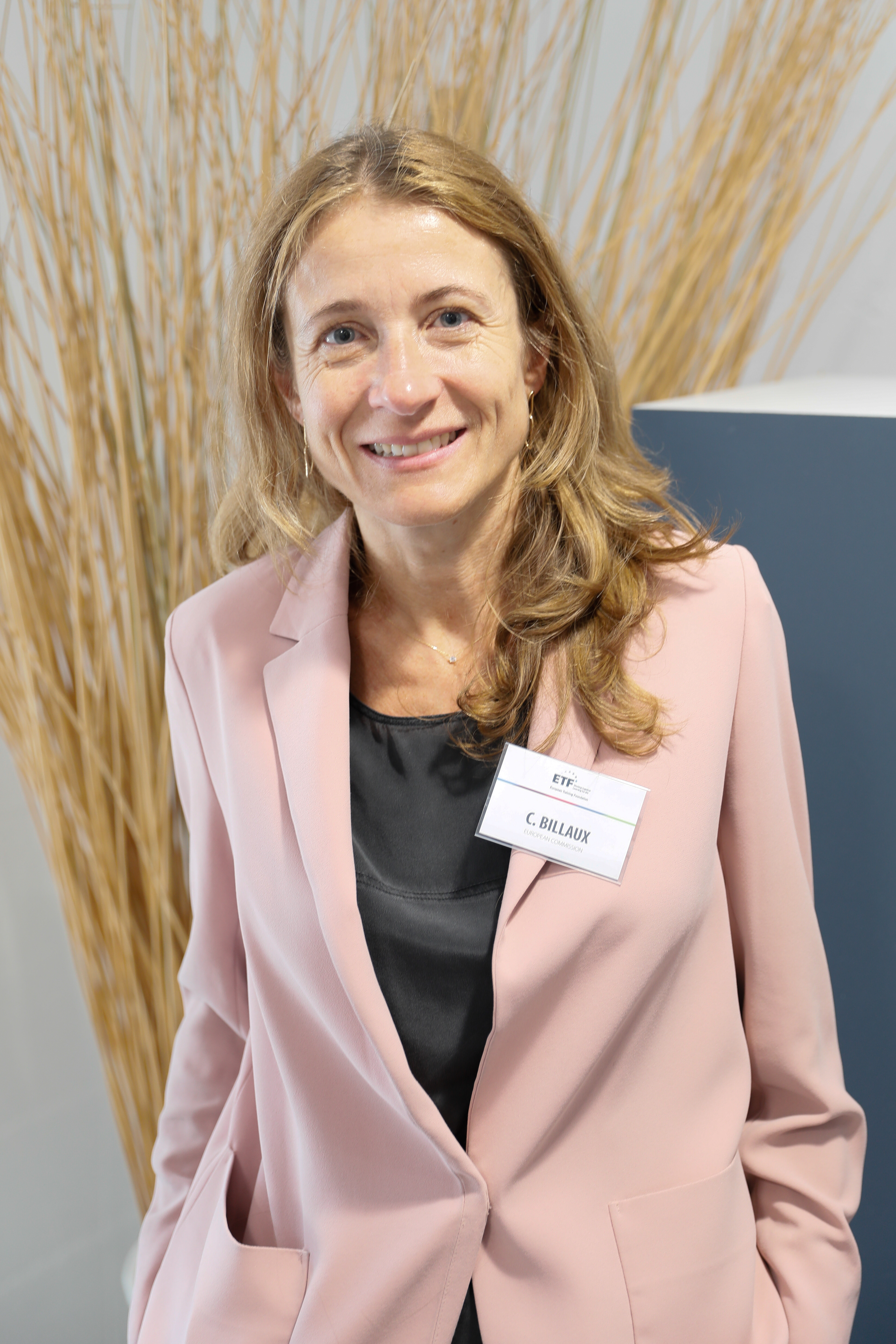
We interviewed Cécile Billaux, Head of the Private Sector, Trade and Investment Unit to get her view on DG INTPA’s work.
 ETF: How important do you think building skills and employment is for the EU’s external relations and development policy?
CB: Fundamental. If you look at Africa, DG INTPA’s main focus is to support investment, and for this to happen, investors need to find workers with the right skills. The skills agenda is at the top of the political agenda. It’s not possible to have economic growth and social inclusion without a trained workforce and investment in the economy to create employment opportunities.
We have increasing demand from our partner countries, and our delegations to work more closely with the private sector on VET [vocational education and training] programmes. For example, to encourage European industry to do business in sub-Saharan Africa, we are working to provide the appropriate business environment for private sector investment and to ensure that it benefits the local economy. The Commissioner for Internal Partnerships, Jutta Urpilainen, has put education as a top priority of her mandate and aims to increase the amount of EU funds dedicated to education to 10% because it is a fundamental transversal issue that impacts sustainable development, growth and jobs, digitalisation, migration as well as peace and security.
ETF: What is the strategic value of DG INTPA in working with the ETF?
CB: The ETF is an important partner for DG INTPA within the European institutional family given its unique role working within the EU’s external relations on education and skills development. We benefitted from the training courses delivered by the ETF to EU delegations staff last year on vocational education and training.
The ETF’s long experience in Central Asia makes it a perfect partner for implementing the new DARYA programme. Likewise, the ETF’s expertise has been a vital source for us working in Africa, particularly on the pan-African qualifications framework and the quality development of vocational schools. Of course, the ETF’s main geographical responsibility is the EU Neighbourhood, which is outside of DG INTPA’s remit, but where our paths cross we are grateful for your experience and ready-made instruments and tools. The ETF is a great natural partner for us to join forces on this ambitious agenda in education and skills.
ETF: 2022 being the European Year of Youth, the ETF is focusing its communication on young people and skills. How important is youth engagement for your work?
CB: The European Commission is now working on the Youth Action Plan that will notably ensure we have young people on board in policy decision-making and engaged in issues that concern their lives and future. In my Unit, we are working on the Team Europe initiative ‘Invest in Young Businesses in Africa’ (IYBA), which targets young entrepreneurs and supports innovative businesses, especially those of young women. It’s not only about increasing access to finance but also about creating a supportive ecosystem for them to avoid getting stuck in their business development and receive appropriate support and training to grow.
ETF: Could you share some examples at country or regional level with us?
CB: In Africa, a large amount of employment is in the informal economy, which provides specific challenges for skills development and support to business. There are isolated examples of success and the challenge is to connect them and create scale for system change. A successful recent example that comes to mind is in Nigeria which is emerging from innovation in the cashew nut business and where VET training for staff has allowed the development of new processing units. Starting small at the micro-sectoral level with the right kind of investment and skills development can bring long-lasting positive results that can be built upon.
Background
DG INTPA cooperates with other European Commission’s services on thematic areas in external relations as well as EU Member States and EU Delegations in the field. The EU's approach is driven by the European Consensus on Development which seeks to combine aid, build partnerships with a wide range of stakeholders, and ensure policy coherence to deal with the pressing issues of our time such as food shortages, rising inflation, digital and green transitions, gender and inclusion.
The Global Gateway 2021–27 is the new European strategy to boost smart, clean and secure links in digital, energy and transport sectors and strengthen health, education and research systems across the world.