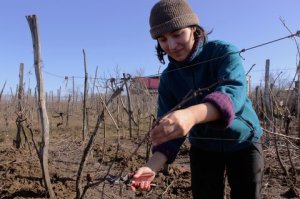
Gender equality is a necessity to achieve peace and economic prosperity around the world. The EU supports initiatives that promote equality and access to education. To mark #International Women's Day 2018, we share the stories of some inspirational women in Georgia benefiting from this cooperation
Entrepreneurial spirit through education and training, women's entrepreneurship and helping business go global is the focus of the latest series of Small Business Act assessments, which have wrapped up in the EU's Southern Neighbourhood.
What does a skills, labour market and vocational education system of the future look like? How does it keep pace with the fast-changing world of work? Can it promote economic development and social cohesion? Ukraine is addressing these questions as it sets out its vision for a modern, agile system.
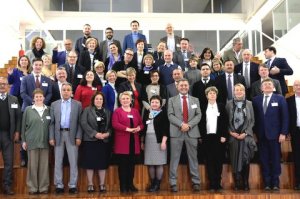
The European Training Foundation works with countries in the EU neighbourhood to promote education, training and skills. ETF Director Cesare Onestini shared highlights of the EU Agency's work from 2017, and priorities for the year ahead, at the European Parliament on 21 February in Brussels.
Dado Mujovic is a student at the Ivan Uskoković secondary vocational school in Podgorica, Montenegro. Every Monday after breakfast he goes to Auto Service Šahović, to do practical training. With the support of the employer he gets acquainted with the business and how to deal with customers.
Employment, education, social policies, governance, the digital agenda and youth – areas included in the European Commission's six new initiatives to support the path towards EU integration for the Western Balkans.
A new law in Moldova will help to align and improve labour market information on skills demand, supply and emerging trends in specific sectors. The ETF is hosting a workshop in Chisinau on 6 February to discuss the next steps.
Commissioner for International Cooperation and Development, Neven Mimica, attends the Global Partnership for Education Conference in Dakar, Senegal and calls on global leaders to step up their investment in education.
With the digital revolution - Industry 4.0 – underway, education systems around the world are finding ways to adapt to the rapid pace of change. To help meet demands of the fast-growing ICT sector, EU-candidate country Serbia is prioritising digital skills and online learning.