A new law in Moldova will help to align and improve labour market information on skills demand, supply and emerging trends in specific sectors. The ETF is hosting a workshop in Chisinau on 6 February to discuss the next steps.
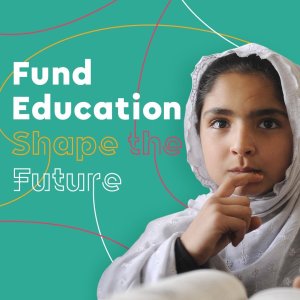
Commissioner for International Cooperation and Development, Neven Mimica, attends the Global Partnership for Education Conference in Dakar, Senegal and calls on global leaders to step up their investment in education.
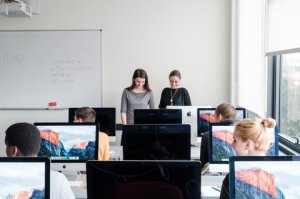
With the digital revolution - Industry 4.0 – underway, education systems around the world are finding ways to adapt to the rapid pace of change. To help meet demands of the fast-growing ICT sector, EU-candidate country Serbia is prioritising digital skills and online learning.
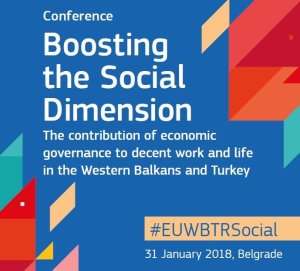
A regional conference on the contribution of economic governance to decent work and life in the Western Balkans and Turkey is taking place today in Belgrade. The event supports joint governance efforts by the EU and enlargement countries on reforms for improving the economic and social situation of all citizens in the Western Balkans and Turkey.
Together with the EU Delegation in Albania, the ETF hosted a workshop in Tirana, bringing together stakeholders involved in the EU-funded reforms to plan the next steps.
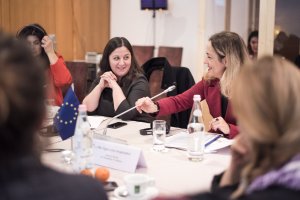
Libya is engaging in relations with the EU through a project to improve the quality of vocational education. Members of the Libyan Ministries of Labour and Education gather on 29 and 30 January 2018 with the EU Delegation in Libya and the ETF to discuss a new commitment to improve the vocational education system.
The first-ever European Education Summit with the theme of "Laying the foundations of the European Education Area: for an innovative, inclusive and values based education" takes place in Brussels today.
Older workers are an invaluable resource, holding a wealth of experience, knowledge and skills. But many older job seekers face age-based discrimination, or lack the confidence to re-skill or start their own business.
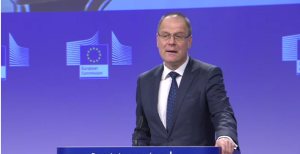
The European Commission has adopted new initiatives to improve key and digital competences of European citizens. They are intended to reduce socio-economic inequalities, whilst sustaining competitiveness in order to build a more united, stronger and more democratic Europe
Education is key to building resilience and empowering EU citizens. This is the headline message of an recent opinion piece by European Commission Vice-President Katainen and Commissioner Navracsics published in several European newspapers.