
In Stresa, education reformers confront shared crises and a common future
“When the Russian invasion began in 2022, all schools moved online,” said Oleksandra Husak of Ukraine’s Ministry of Education. “The priority was ensuring access.”
Since then, Ukraine’s education system has progressed from emergency measures to gradual recovery:. “ Security remains our top priority,” Husak added. “For students in Zaporizhzhia, simply continuing to learn is already an achievement."
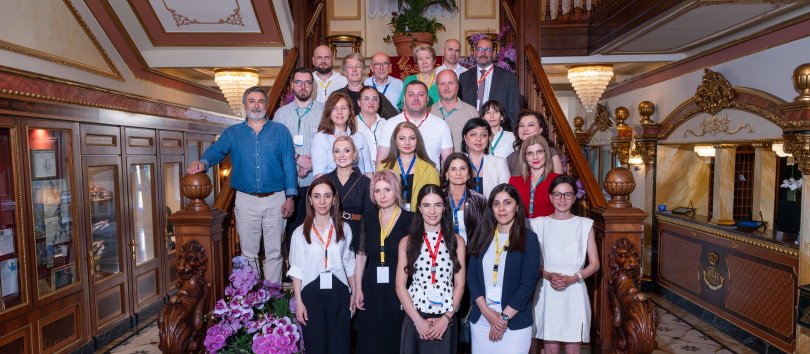
It was a stark reflection for a gathering held far from conflict. For two days, on 24 and 25 June 2026, the lakeside town of Stresa hosted the Policy Lab, Education Reforms in the Eastern Partnership: Shared Lessons, Shared Future. There, policymakers, experts and practitioners from across European Union and the Eastern Partnership — Armenia, Finland, Georgia, Moldova, Poland, Portugal, Romania and Ukraine.
The contrast between setting and subject sharpened the discussions.
“Zooming out from beautiful Stresa, we are confronted with a world of destruction,” said the European Commission’s Christophe Masson. He recalled that “there was a big conference here in 1935 to fight against Nazism, which had failed,” before pointing to the present effort: “In 2024 we launched the Supporting Education Reforms & Skills (SER) programme. Today, we are giving this place a new focus for international cooperation through peer-to-peer support.”
A programme shaping reform
The SER programme, funded by the European Union and implemented by the European Training Foundation (ETF), framed much of what unfolded in Stresa. Over the past two years, it has become a backbone for modernising education across the eastern European region, linking national reform efforts to shared learning.
“The SER programme has demonstrated a strong and measurable impact,” said ETF’s Timo Kuusela, citing high participation, with “around 94% rating it excellent or good, and 100% recommending its continuation.”
Yet the programme has also surfaced deeper constraints. “There is still a gap between evidence and implementation,” Kuusela warned. The risk, he implied, is not a lack of ideas but a failure to deliver. “The next step is to move more decisively from diagnostics to implementation.”
A shared diagnosis
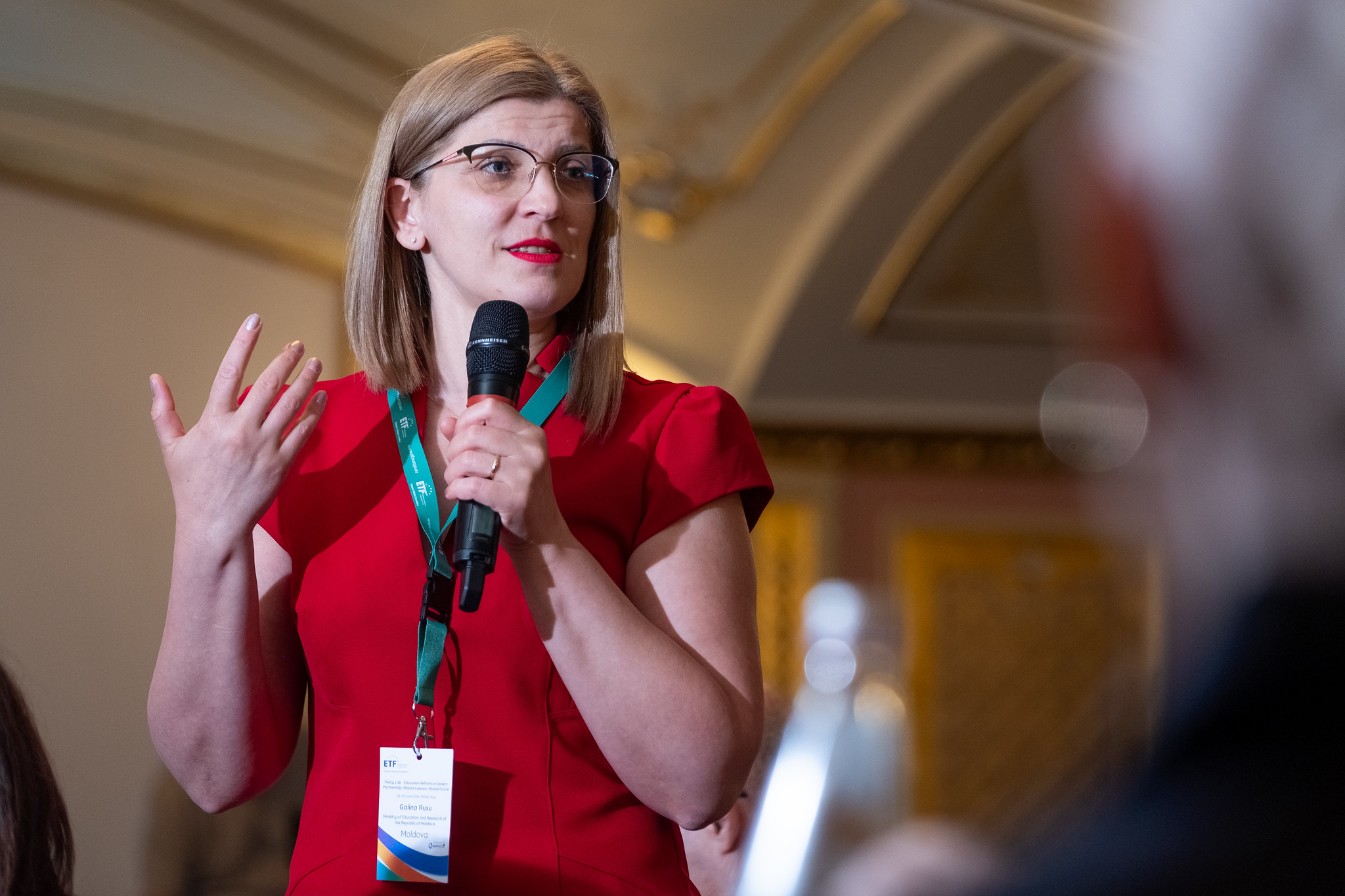
Across panels and informal exchanges, a clear consensus emerged. “Contexts are different, but challenges are the same,” said Galina Rusu, secretary general of Moldova’s Ministry of Education.
Those challenges are increasingly familiar. Systems have expanded access but still struggle to sustain student engagement, support teachers and meet rising expectations.
“For many years, the limiting step to learning was access,” Daniel Funeriu, Romania’s former education minister, described the shift in stark terms. “But today we face a paradox. Access is no longer the main issue. The real limiting factor is the engagement of children in education.”
He posed a question that lingered throughout the event: “How do we make our societies deeply believe that education is the social elevator for a better life?”
Engagement over access
If access is no longer the primary barrier, what comes next? The ETF’s Hugues Moussy pointed to a stark reality: “Two thirds of third-graders are not able to follow lessons any longer: they get bored at school. We are facing a learning crisis.”
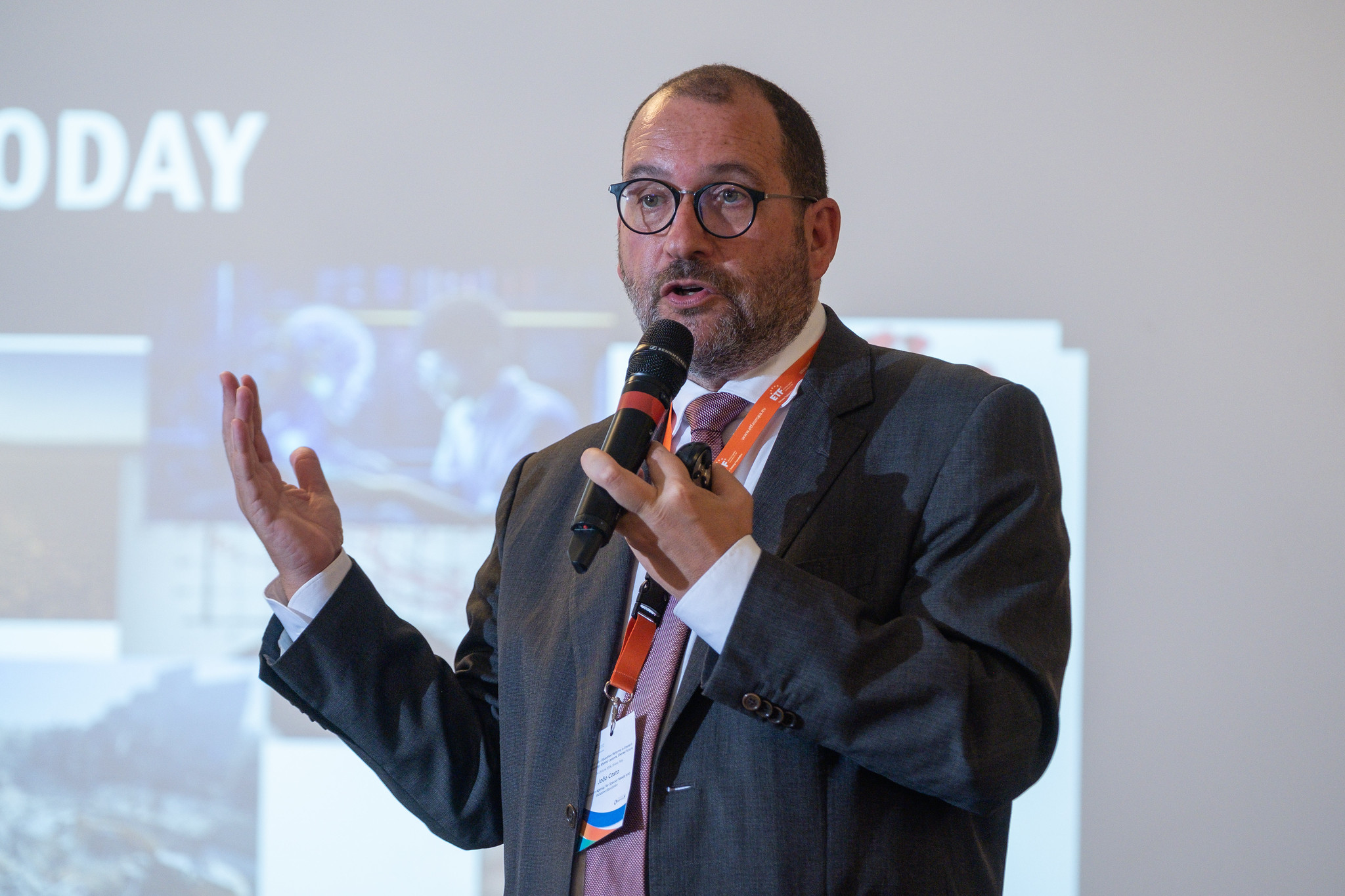
For João Costa, Portugal’s former education minister, the response must look forward. “What is the world we want, and what education system do we need to prepare people for it?” he asked.
But that target is constantly shifting. “This is a dynamic process. We need dynamic tools. Once everyone was talking about coding. Now artificial intelligence is doing it for us, and no one is talking about coding anymore.”
Lessons from resilience
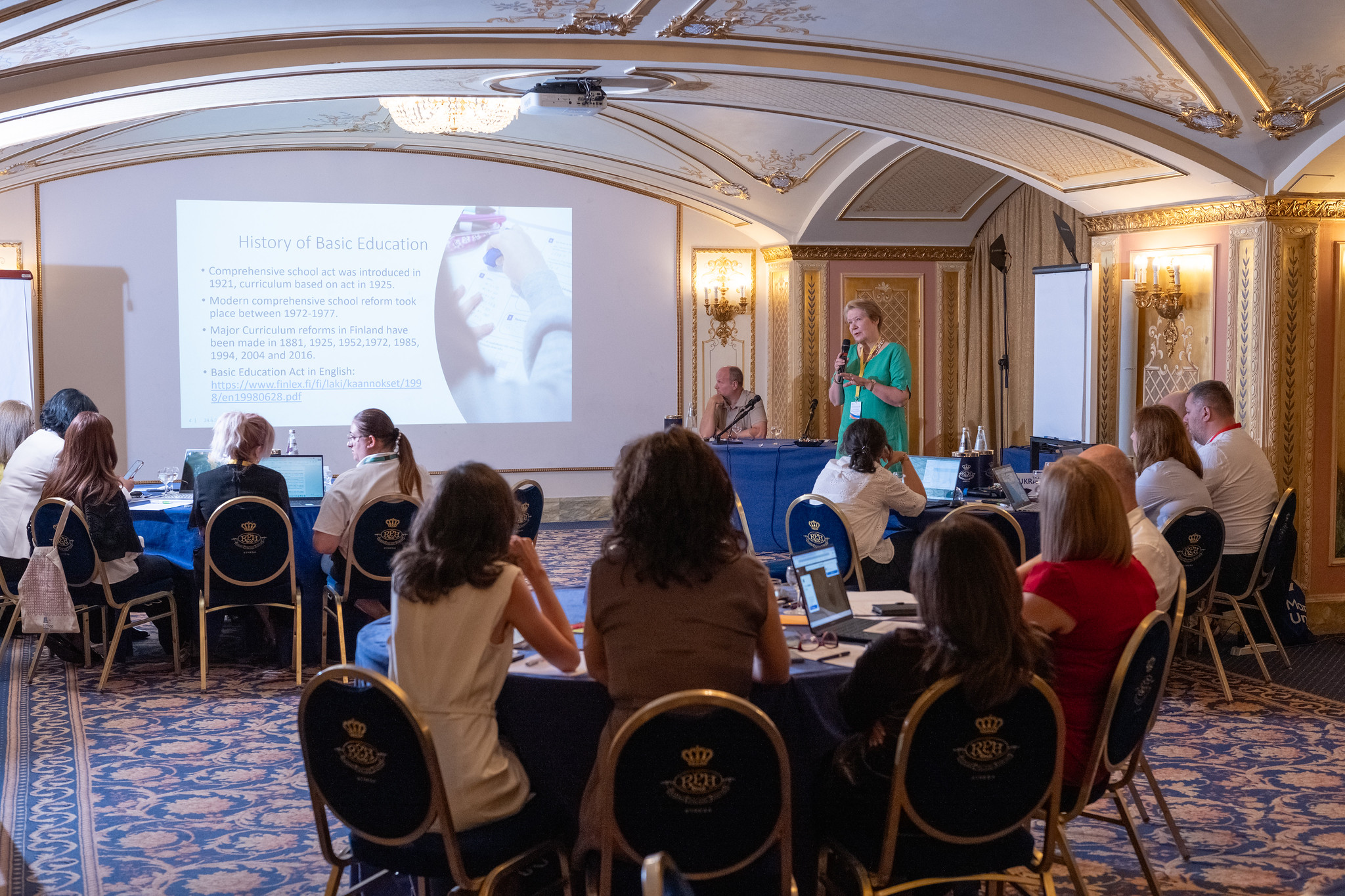
Ukraine’s experience illustrated reform under extreme pressure. Husak described how the system moved from fully online learning to hybrid models and then, where possible, back to classrooms. “That was when we began to think again about quality,” she said of the hybrid phase.
Yet the model remains constrained by security, geography and infrastructure. Still, one outcome stands out: continuity itself has become a success. In this context, education is as much about connection as it is about content.
Teachers and long-term reform
Across the discussions, one theme returned repeatedly: teachers are the foundation of any successful education system. “The success of Finland is a long-standing effort,” Moussy said.
Finland’s Jaana Palojärvi offered a longer institutional view. “I have worked 29 years with 29 ministers from seven political parties,” she underscored the importance of continuity. Her message was pragmatic. “When you are trying to change the governance of education systems, you are not alone: you are part of government.”
She added a warning with practical implications: “Education ministers and finance ministers should sit at the same table.” Costa reinforced the case for early investment. “Spending in early intervention is cheaper than spending later,” he said. “Pre-school is the most inclusive setting.”
Moldova’s reform case
Rusu pointed to Moldova’s own structural overhaul. “We are creating Regional Education Agencies to reduce fragmentation and align responsibility with authority,” she said, noting that the current system leaves “accountability for results without the tools to deliver them.”
She added that disparities remain stark. “We face uneven administrative capacity, territorial inequalities and declining student numbers. This reform is about equity, coherence and restoring trust in how education is governed.”
Progress and pragmatism
Armenia offered a concrete example of reform in motion. Deputy minister Araksia Svajyan outlined efforts to strengthen the teaching profession through certification and incentives.
“More than 30% of teachers have already undergone certification” said Minister Svajyan. “We have recruited around 4,000 teachers in the past year, many of them young and working in rural areas.”
It was a reminder that, while systemic challenges persist, progress is possible with sustained effort.
A shared conversation
By the end of the two days, no one-size-fits-all solution had emerged. Instead, what participants carried away was a sense of shared responsibility.
The SER programme may have provided the structure, but the substance came from exchange. Peer-to-peer conversations, as Masson suggested, are not an accessory to reform; they are part of how reform happens.
As discussions turned to the future, one idea lingered — not about systems, but about learners themselves. “The most important aspect is the freedom of learning,” said Stanisław Drzażdżewski, ETF Governing Board member. “Not just lifelong or "life-wide" learning, but the freedom to choose what and how to learn."
Did you like this article? If you would like to be notified when new content like this is published, subscribe to receive our email alerts.