
Public bodies and businesses band together for skills development
"The whole is greater than the sum of its parts,” according to the Gestalt psychology, but coordinated and transparent mechanisms are necessary to make it work. When thinking of skills development, the same principle applies when the public and the private sector join forces to create new opportunities for delivering good quality education and training.
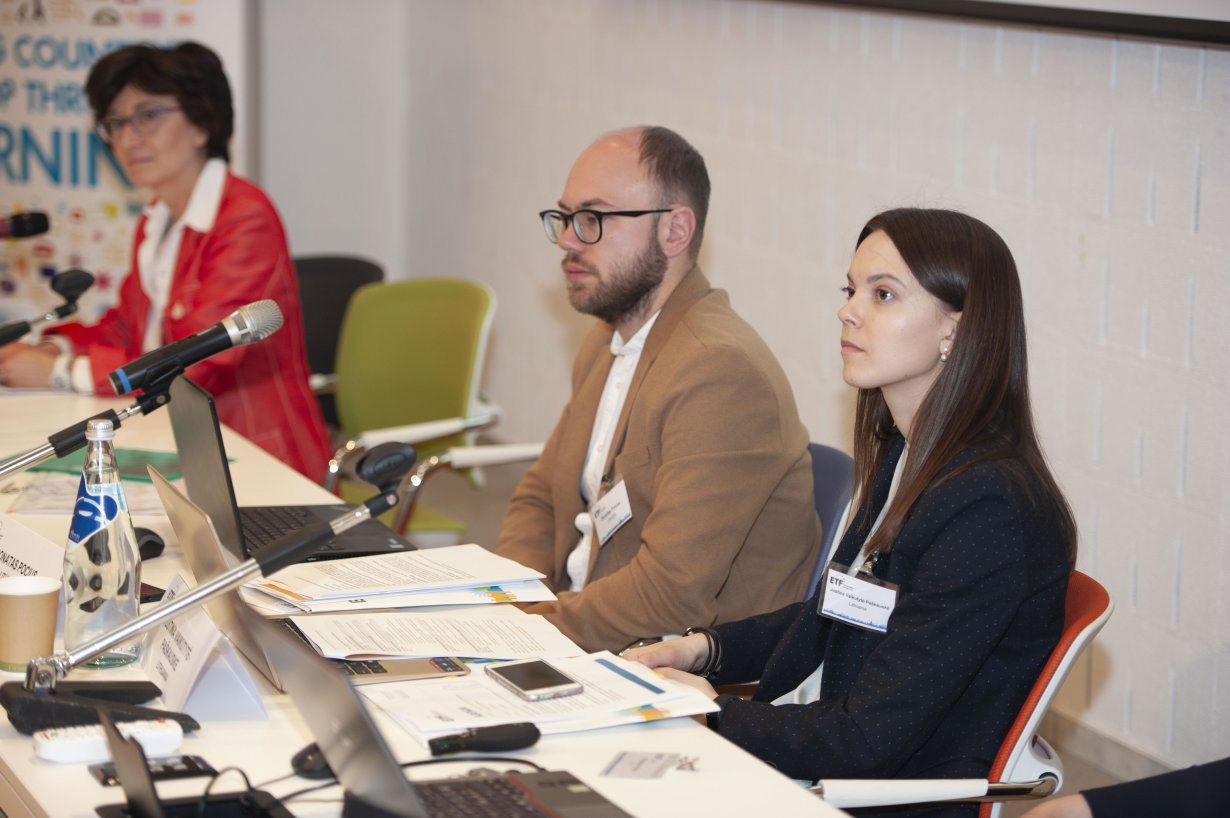
Public-private partnerships was the focus of the first-ever ETF event held exclusively on the topic. Members of international organisations – including the OECD and ILO – and representatives from countries neighbouring Europe – Serbia, Ukraine, Jordan and Kazakhstan – gathered to develop a common definition and explore methodologies for action. EU relevant employers’ organisations and the agency Eurofound contributed expertise too.
« What do you think is the definition of public-private partnerships in vocational education and training for skills development?
What is your assessment of the methodology?
What do you think about modalities for implementation?»
These questions drove the discussions and inspired debate, during which participants shared their own best practices.
Participants agreed that partnering among public and private actors improves effectiveness, efficiency and innovation provided that roles and accountability are well defined. Public-private partnerships need checks and reviews on a regular basis, to draw lessons and adjust what’s not meeting quality standards. Further, it can address subsidiarity in the design and delivery of skills in a lifelong learning perspective.
International attendees agreed to be members of a new Advisory Committee, whereas partner countries will set up National Tripartite committee for the purpose of this new ETF study.
« Agreeing on a common definition is key, but what is at stake here is that the concepts are applicable in the countries where we work », concluded ETF Director, Cesare Onestini.
Next steps
Research and in-depth assessment of practices in participating countries will be carried out to identify factors behind successful partnerships and in different contexts.
Did you like this article? If you would like to be notified when new content like this is published, subscribe to receive our email alerts.