
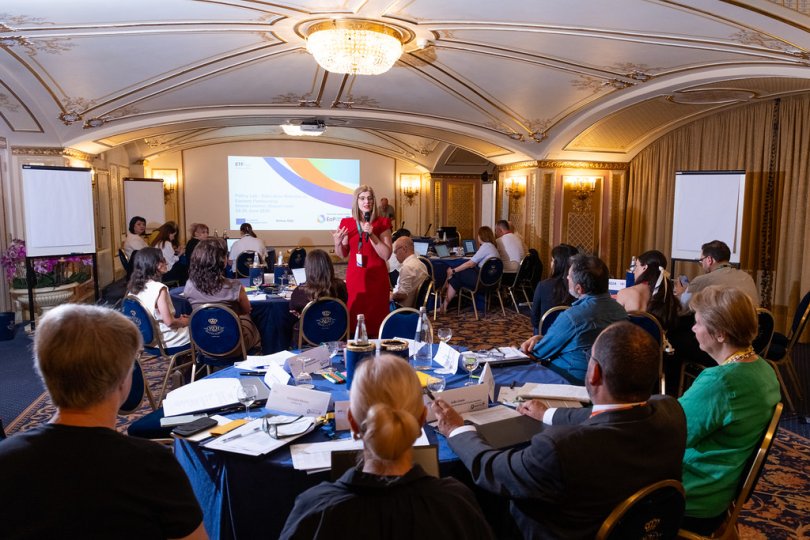
Supporting Education Reforms and Skills (SER): Strengthening Education Systems in Eastern Partnership Countries
The Supporting Education Reforms and Skills in the Eastern Partnership Region (SER) programme is a European Union-funded initiative implemented by the European Training Foundation (ETF). The programme supports education reform, governance improvement, evidence-based policymaking, institutional capacity development and regional cooperation in Armenia, Azerbaijan, Georgia, Moldova and Ukraine. Through education system diagnostics, targeted capacity development and peer learning activities, SER helps governments improve the quality, equity and relevance of education for citizens across the Eastern Partnership region.
Who are the partners in SER?
The European Training Foundation (ETF), along with EU Delegations in Eastern Partnership (EaP) countries– Armenia, Azerbaijan, Georgia, Moldova and Ukraine– play a key role in implementing the programme Supporting Education Reforms and Skills in the Eastern Partnership Region (SER).
The EaP countries have adopted ambitious education strategies extending to 2030, reflecting a shared commitment to improving the quality of education systems. The SER programme supports EaP countries in strengthening education governance and improving the delivery of education services. It does so by generating evidence on education system performance and reform priorities, strengthening institutional capacities, and facilitating regional cooperation and peer learning.
Countries participating in the SER programme
The SER programme supports education reforms in:
Activities are tailored to each country's education priorities while promoting regional cooperation and exchange of experience.
What are the objectives of the SER programme?
The overall objective of the action is to contribute to improved equity, quality and relevance of education in the partner countries across the EaP region.
The programme seeks to:
- Strengthen education sector governance and institutional coordination.
- Improve planning, financing, monitoring and evaluation capacities.
- Enhance equitable access to quality education.
- Promote gender equality and social inclusion.
- Support digital transformation in education systems.
- Promote the use of evidence and data in policy design and implementation.
- Improve the effectiveness and responsiveness of education services for citizens.
The two specific objectives of this initiative are:
- Improve governance of the education systems (from pre-primary until tertiary, as well as the VET system and adult learning) in the Eastern Partnership countries.
- Strengthen capacities in evidence-based planning, management and performance monitoring in the education sector
SER programme components
The programme is organised around three pillars to facilitate accomplishing the objectives.
1. Education sector diagnosis
The first pillar supports the implementation of comprehensive education sector assessments using the ETF's Rapid Education Diagnosis (RED) methodology. The findings of this analysis provide governments with evidence-based recommendations for immediate and long-term reforms, help guide future EU support to the education sector and identify priority issues for the EU–partner country policy dialogue agenda. The diagnostic process provides an analysis of education systems across three core dimensions:
- Access, equity and quality;
- Education financing ;
- Governance and system management.
The assessments also examine how education systems are addressing:
- Digitalisation and innovation;
- Sustainable development;
- Green transition priorities.
2. Capacity development for policy implementation
The second pillar provides tailored capacity development support to education authorities. Activities are designed in response to country-specific needs and focus on areas such as:
- Governance and leadership;
- Education financing;
- Strategic planning, monitoring and evaluation;
- Use of evidence in education policy design
- Education management.
The ETF works closely with ministries, development partners and EU-funded initiatives to ensure coordination and sustainability. The aim is to strengthen institutional capacity and support the implementation of education reforms over the long term.
3. Regional training and peer learning
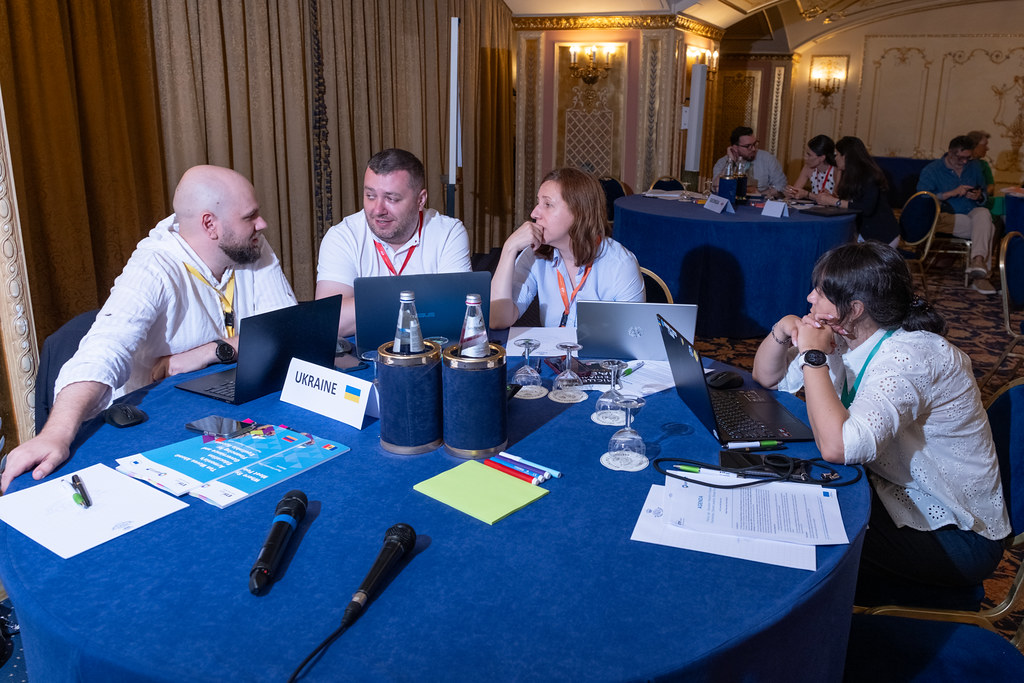
The third pillar creates opportunities for policymakers and stakeholders to learn from one another through regional cooperation and exchange. Through this pillar, learning activities bring together representatives from Education Ministries and other key stakeholders across the Eastern Partnership region. Peer learning events are organised in cooperation with education authorities in EU Member States, enabling them to share their reform experience, practical insights and lessons learned, while providing opportunities for participants from Eastern Partnership countries to engage directly and build networks with their EU counterparts. Participants are encouraged to reflect on practices implemented in neighbouring countries and in EU Member States, exchange knowledge and solutions to common challenges, and build communities of practice.
Learn more
Sign up to receive email communication: eapeducation@etf.europa.eu

Frequently Asked Questions (FAQ)
What is the SER programme?
The Supporting Education Reforms and Skills in the Eastern Partnership Region (SER) programme is a regional initiative funded by the European Union and implemented by the European Training Foundation (ETF). It supports education reforms in Armenia, Azerbaijan, Georgia, Moldova and Ukraine by strengthening education governance, improving the use of evidence in policymaking, and promoting cooperation and peer learning across the region.
Why was the SER programme created?
Although Eastern Partnership countries have adopted ambitious education strategies extending to 2030, many face common challenges related to governance, coordination, planning, financing, monitoring and the use of evidence in education policymaking. The programme helps countries address these challenges and improve the quality, equity and relevance of education systems.
Who benefits from the programme?
The ultimate beneficiaries are the citizens of the Eastern Partnership countries, particularly learners, teachers, education institutions and public authorities responsible for education. The programme also engages ministries, education agencies, local authorities, civil society organisations, parents' associations, students' associations and development partners.
What education levels does the programme look at?
The programme adopts a whole-system approach and covers all levels of education, including:
- Early childhood and pre-primary education;
- Primary and secondary education;
- Vocational education and training (VET);
- Higher education;
- Adult learning and lifelong learning.
What are Rapid Education Diagnoses (RED)?
Rapid Education Diagnoses (RED) are comprehensive education system assessments developed by the ETF. They combine quantitative data and qualitative evidence to analyse education system performance and identify priority reforms. The findings lead to practical recommendations for governments and development partners.
What topics do RED assessments examine?
RED assessments focus on three core dimensions:
- Access, equity and quality;
- Education financing;
- Governance and system management.
They also analyse how education systems are addressing:
- Digital transformation and innovation;
- Sustainable development;
- Green transition priorities.
The assessments are tailored to each country's context and priorities.
How does the programme support education ministries and public authorities?
The programme provides tailored capacity development activities designed around country-specific needs. These may include support in:
- Governance and leadership,
- Education financing,
- Strategic planning,
- Monitoring and evaluation,
- Education management,
- Evidence-based policymaking,
- Data analysis and use of education information systems.
How does the programme promote evidence-based policymaking?
SER helps countries strengthen their ability to collect, analyse and use education data for planning and decision-making. It supports improved monitoring systems, evidence-based policy design, and better evaluation of education reforms and outcomes.
How does the programme address inclusion and equity?
A key objective of the programme is to improve equitable access to quality education. Particular attention is given to:
- Gender equality;
- Students in rural and remote areas;
- Learners from disadvantaged backgrounds;
- Ethnic minorities;
- Internally displaced persons and refugees;
- Learners with disabilities and special educational needs.
How does SER support digital and green transitions?
Digitalisation and sustainability are integrated throughout the programme. RED assessments examine how education systems are preparing learners for digital and green transitions, while capacity-development activities help institutions strengthen relevant policies, governance arrangements and implementation mechanisms.
What is the role of regional cooperation and peer learning?
The programme creates opportunities for policymakers and education stakeholders to learn from each other through regional workshops, training events, peer reviews and exchanges with EU Member States. These activities help participants share good practices, discuss common challenges and build professional networks.
What kinds of topics are covered through regional learning activities?
Topics are selected based on country needs and may include:
- School network optimisation;
- Teacher professional development;
- Education financing;
- Digital education;
- Monitoring and evaluation systems;
- Inclusion of refugees and internally displaced learners;
- Governance reforms;
- Functional reviews of education institutions;
- Additional topics may be introduced as the programme evolves.
How does the programme contribute to EU cooperation with Eastern Partnership countries?
The programme provides evidence and recommendations that strengthen education policy dialogue between the EU and partner countries. It also informs future education reforms and helps align support with national priorities and, where relevant, EU integration and enlargement processes.
How long does the programme run?
The programme runs from January 2024 to March 2027 and is implemented across Armenia, Azerbaijan, Georgia, Moldova and Ukraine.
How can I stay informed about SER activities and opportunities?
Join the SER Open Space community to exchange experiences and access resources.
Follow news, publications and event announcements on the ETF website.
Contact the programme team at eapeducation@etf.europa.eu for updates and information.
Where can I find SER publications and reports?
Programme publications, including Rapid Education Diagnosis reports, thematic studies and peer-learning outputs, are available through the ETF website and will be promoted through SER communication channels, events and the Open Space community.
Related publications:
- The teacher management system:
- The teacher management system in Armenia - Insights and strategies | ETF
- The teacher management system in Moldova - Insights and strategies | ETF
- The teacher management system in Ukraine - Insights and strategies | ETF
- The teacher management system in Georgia - Insights and strategies | ETF
- The teacher management system in Azerbaijan - Insights and strategies | ETF
- Where Systems Meet People Rapid Education Diagnosis (RED) Republic of Moldova | ETF
- Ten Moves Ahead: Armenia’s Education Governance and Financing for Equitable Access - Rapid Education Diagnosis (RED) | ETF
- Building Better School Networks – Challenges and Lessons from Armenia, Estonia, Georgia, Latvia, Moldova and Ukraine | ETF