Libya is engaging in relations with the EU through a project to improve the quality of vocational education. Members of the Libyan Ministries of Labour and Education gather on 29 and 30 January 2018 with the EU Delegation in Libya and the ETF to discuss a new commitment to improve the vocational education system.
The first-ever European Education Summit with the theme of "Laying the foundations of the European Education Area: for an innovative, inclusive and values based education" takes place in Brussels today.
Older workers are an invaluable resource, holding a wealth of experience, knowledge and skills. But many older job seekers face age-based discrimination, or lack the confidence to re-skill or start their own business.
The European Commission has adopted new initiatives to improve key and digital competences of European citizens. They are intended to reduce socio-economic inequalities, whilst sustaining competitiveness in order to build a more united, stronger and more democratic Europe
Education is key to building resilience and empowering EU citizens. This is the headline message of an recent opinion piece by European Commission Vice-President Katainen and Commissioner Navracsics published in several European newspapers.
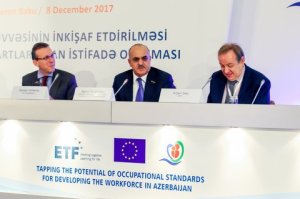
To help make workplaces more productive and internationally competitive, Azerbaijan plans to introduce 500 new occupational standards - the skills, knowledge and performance required of professional tasks.
Serbia is moving towards more digital education. To do so, the country is investing in teachers training, and help them improve their digital skills. Last year one third of vocational teachers in Serbia followed digital training – an initiative bringing good results, with most of the participants praising the positive impact on their teaching.