Back to the ETF website
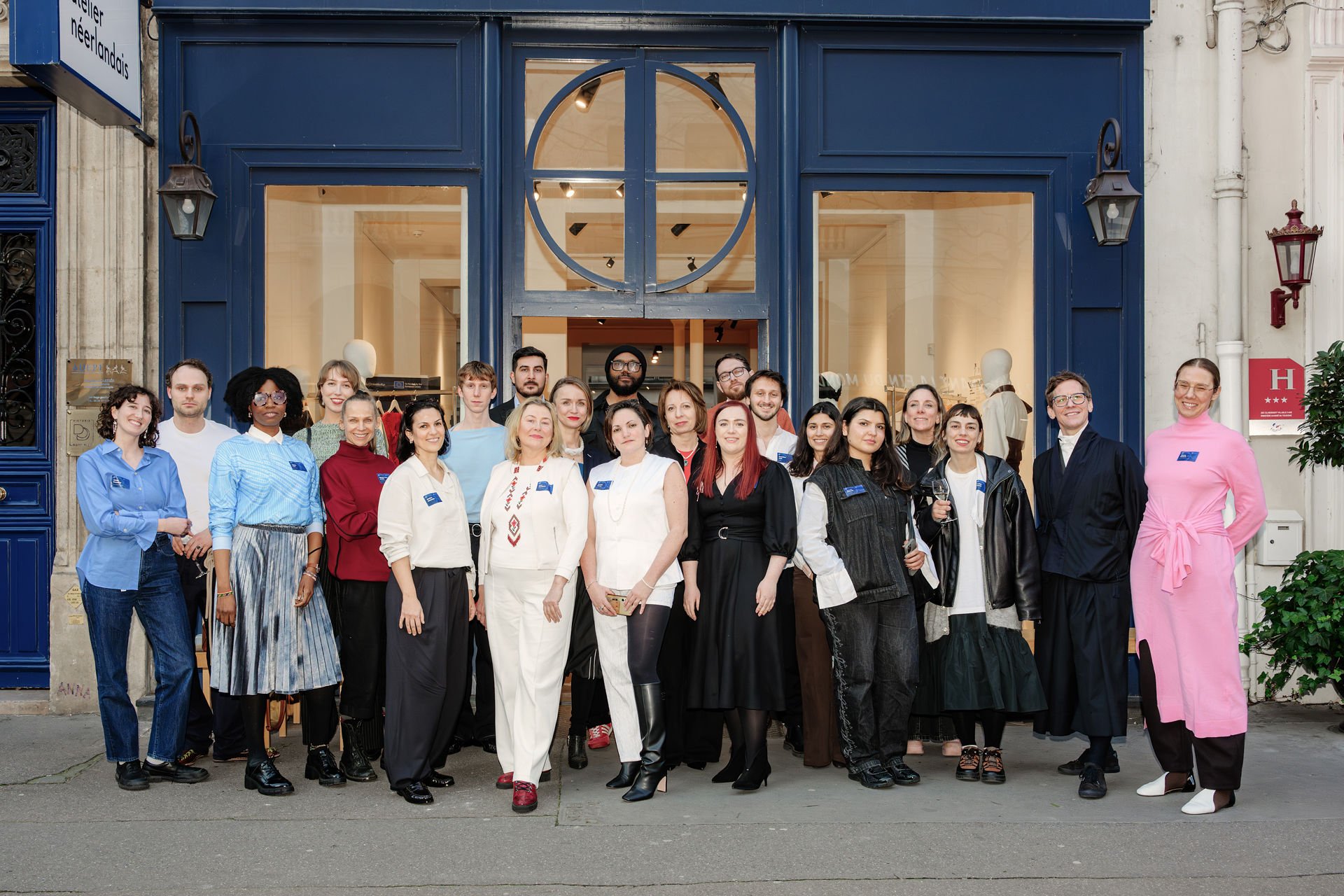
Designers outside a studio in Bosnia and Herzegovina

Turning textile waste into opportunity, one stitch at a time

Bosnia and Herzegovina: Building a circular fashion economy with local skills, upcycled materials and women's craft

What if the future of fashion wasn’t in fast production, but in slowing down, making less, and making it count?

In Bosnia and Herzegovina, that future is already being stitched together.

In Sarajevo, Sugar on Top, a small-batch production studio and circular fashion brand transforms deadstock and leftover fabrics into desirable, hand-finished garments. Since 2020, they have worked with over 50 designers and 10 local artisans, proving that sustainable production can be a viable business model, a source of dignified employment and a creative force.

“To see all these designers come here and help them make their dream come true – it makes me feel that we are on the right track." 
Edina Hadžić, Co-founder, Sugar on Top

Vote button

The European Training Foundation (ETF) is delighted to count this initiative as one of the finalists for the Green Skills Award 2026. Read on to find out why.

The project

Founded by Edina Hadžić and Sabina Muratagić Daul, Sugar on Top operates as both a production studio – offering prototyping, pattern-making, fit sessions and small-batch manufacturing to independent designers – and as the home of Stribor, their own circular fashion brand. Stribor functions as a testing lab for experimenting with repairable garments, upcycled collections and zero-waste production methods before sharing waht works with the wider design community. 

Through the EU-funded WE.Circular programme, Sugar on Top recently completed a Living Lab pilot: a zero-waste jacket made entirely from secondary materials that otherwise would have gone to landfill. Together with participation in the New European Bauhaus Fashion Adaptor programme, Sugar on Top has validated a scalable approach to circular production – demonstrating technical feasibility and market readiness while strengthening sustainable design practices, digital product passport readiness, and regenerative production within the European creative ecosystem. 

Sugar on Top's participation in another project, Eterna, brought together a large number of local artists from across Bosnia and Herzegovina. This important local project explores upcycling and circular design among local creators. Sugar on Top contributed through garment construction, sewing and detailed handicraft work, placing sustainability at the heart of Bosnia and Herzegovina's textile industry.
Recognised by the ETF Green Skills Award 2026

The ETF has selected this initiative as one of the six finalists for the Green Skills Award, recognising its working business model as proof that circular design, zero-waste manufacturing and artisan craft can sustain livelihoods, support a community of over 50 designers and offer a replicable alternative to mass production.


Why this initiative stands out:

  • A vertically integrated business model combining studio services with a circular design lab, creating a resilient business that doesn’t depend on the sales of its own products
  • Collaborative circular fashion production with local artists and designers, creating collections entirely from deadstock and recycled scraps while delivering sewing and handcraft skills across the community
  • Zero-waste prototyping with full traceability, piloting garments made from secondary materials and factory leftovers, with documented material provenance at every stage, validated through structured Living Lab methodologies (WE.Circular pilot)
  • International exposure for circular practice, developed through the New European Bauhaus Fashion adaptor programme and exhibited at Paris Fashion Week
  • Hands on education for the next generation, as part of the EU-funded REWEAVE Masterclass project to deliver upcycling workshops to high school students, bringing circular fashion skills into classrooms where the subject is not yet part of the school curriculum.
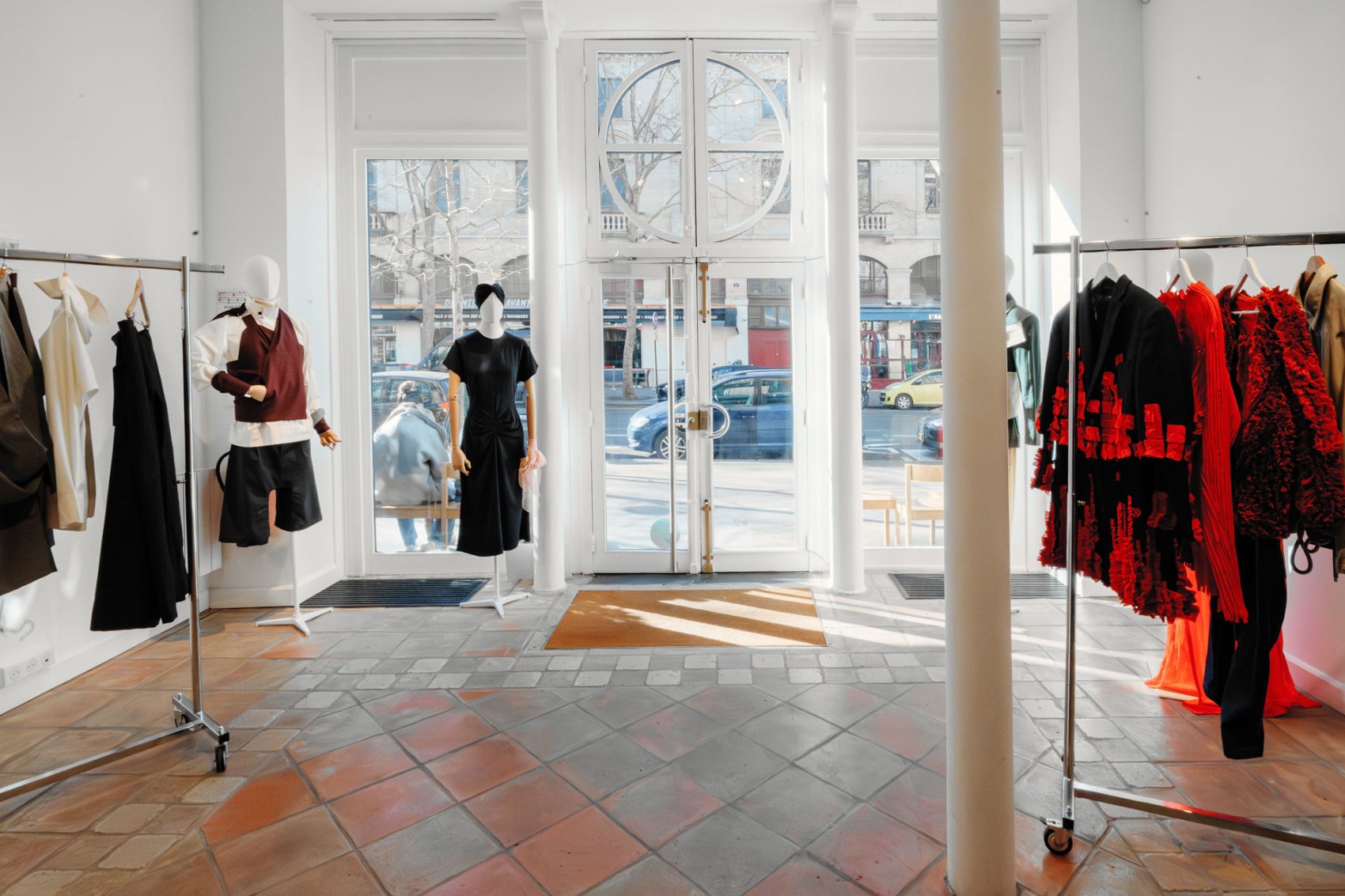
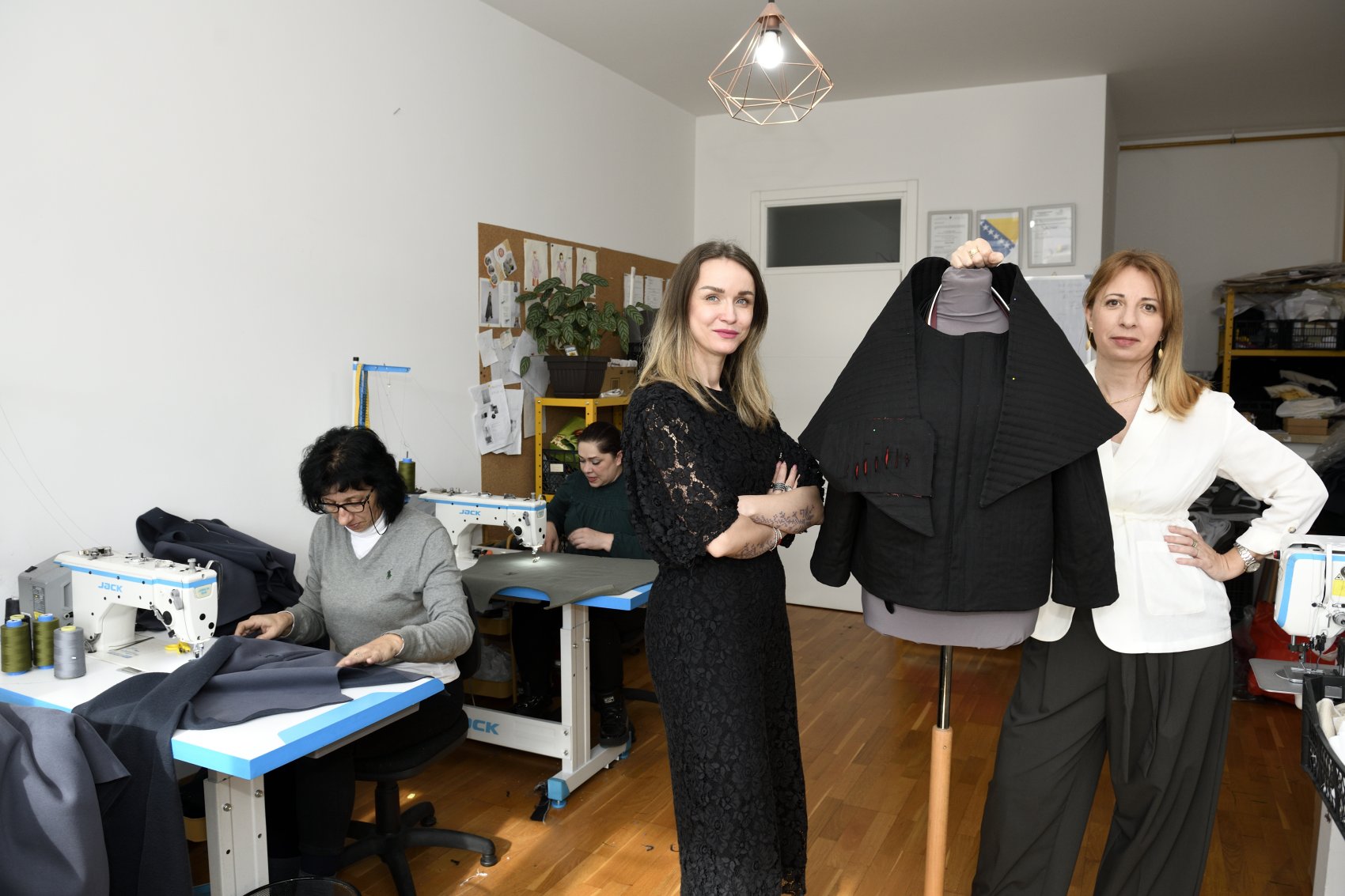
Fashion designers in their studio
Quick facts
  • Sugar on Top operates as a vertically integrated production studio offering prototyping, pattern-making, fit sessions and small-batch manufacturing to independent designers
  • Stribor, its own circular fashion brand, is a testing ground for repairable garments, upcycled collections and zero-waste methods.
  • The team supports local designers to assess product feasibility, textile sources, develop patterns, produce prototypes and manufacture small runs on a pre-order basis, ensuring zero overproduction.
  • The "Living Lab" pilot produced a zero-waste jacket from secondary materials with full provenance documentation - proving a replicable model with scalable production variants, from local hand-technique workshops to hybrid semi-automated production.
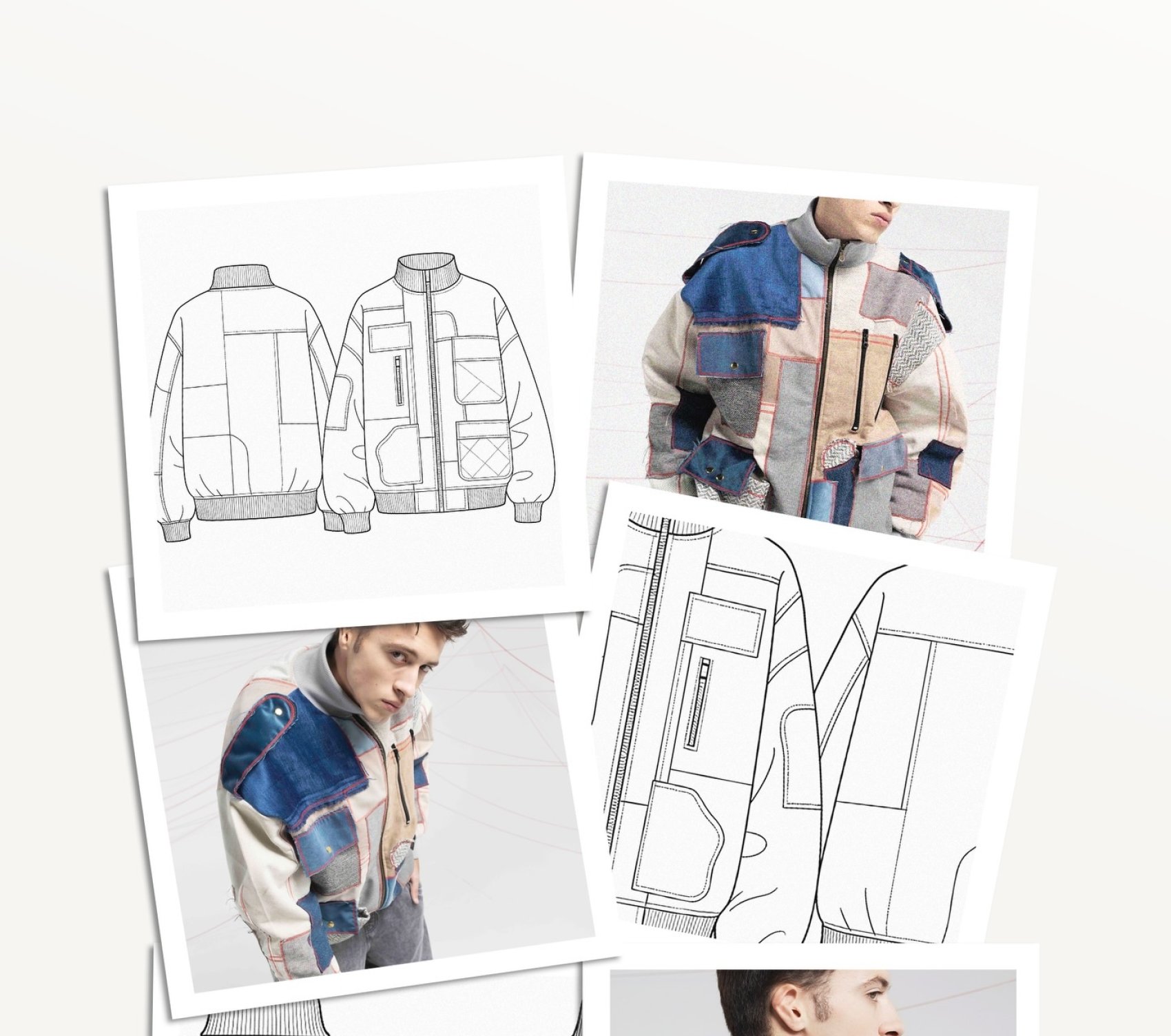
Fashion designs and made up jacket
  • Founded in 2020 with a core team of four, collaborating with 10+ local artisans
  • 50+ independent designers and small brands served since launch
  • 10+ local artisans employed in sewing, knitting and hand-finishing, creating dignified, skilled work for women
  • Collections produced from deadstock, leftover and upcycled materials ensuring zero overproduction through a pre-order model
  • Garments designed for modularity and repairability, repaired and individual sections replaced without dismantling the whole piece
  • Green skills developed include circular design, upcycling techniques, zero-waste pattern-making, hand dyeing, sustainable production management, and material traceability and documentation
  • International recognition, with one of the co-founders named the most artistic entrepreneur in the Balkan region
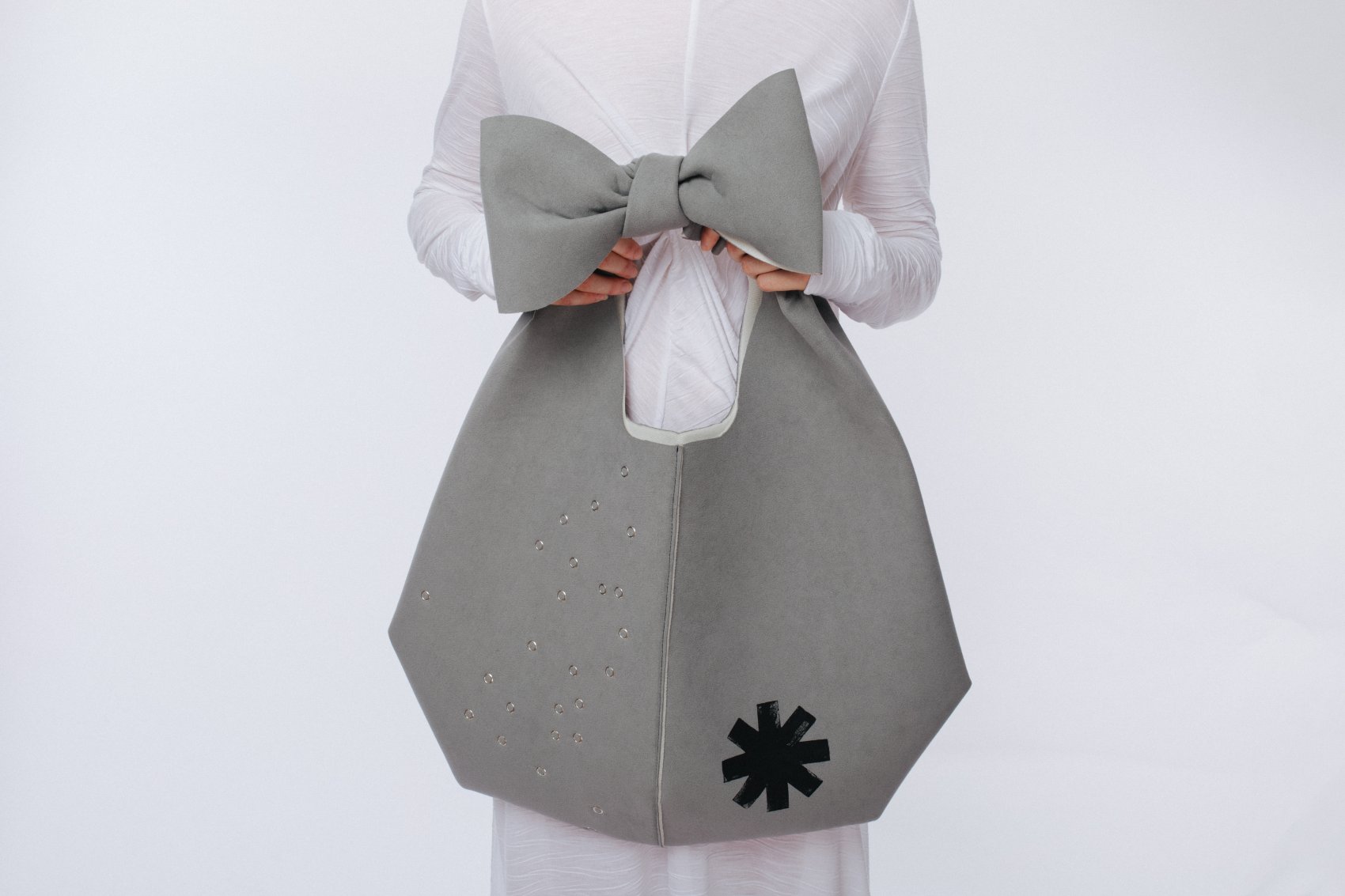
Handbag made from recycled materials

“While reading books as a child, I would always imagine how the main character would dress, and I would sketch these ideas and want to make them real.”

– Edina Hadžić, Co-founder, Sugar on Top

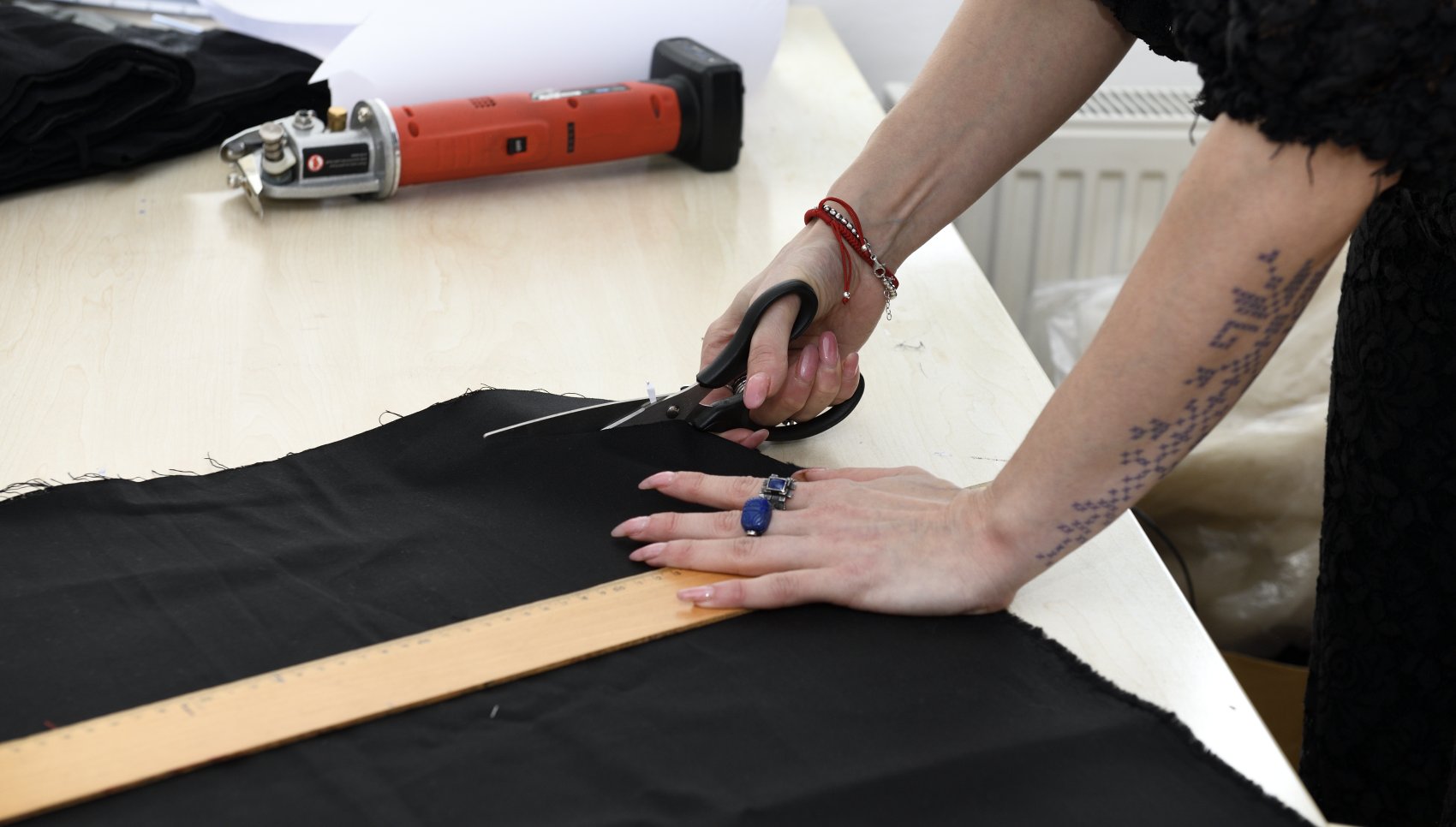
Designer cutting fabric with scissors
Reach and impact beyond the studio
  • Local artisans, many of them women, gain stable income, skill development and creative collaboration through Sugar on Top’s production network
  • Access to affordable circular production for small-scale designers across Bosnia and Herzegovina, building a regional design ecosystem where none existed just a few years ago
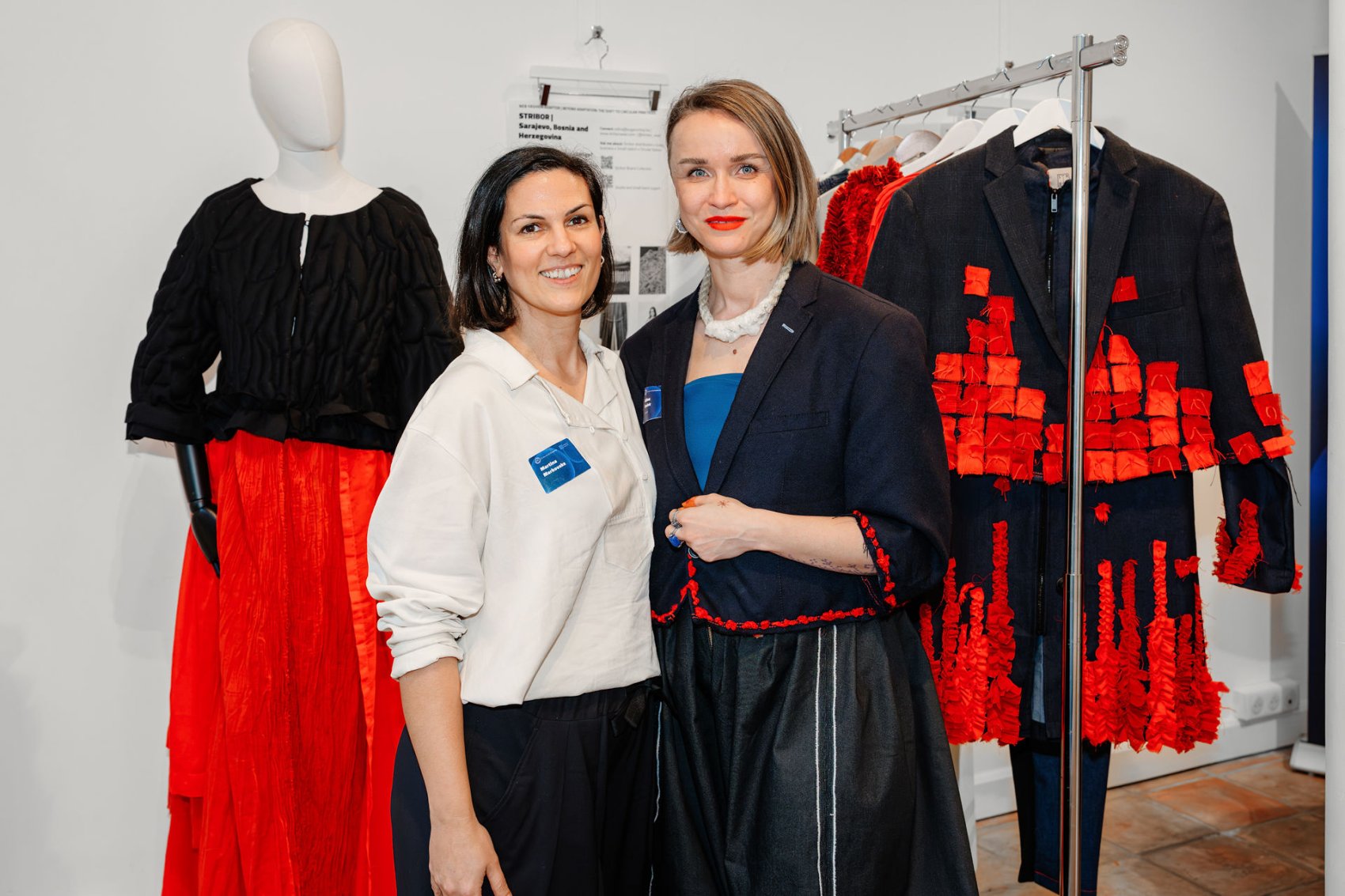
Two women designers and clothes
  • The WE.Circular pilot produced scalable production variants – from local workshop models to hybrid semi-automated approaches – with concrete KPIs for tracking material diverted from landfill, CO₂ savings and production efficiency
  • Plans for expansion to create network of small circular studios across Europe, sharing knowledge, tech packs and collaborative distribution as an alternative to mass production
A group of designers at a presentation in a design studio
  • Planned ReWeave Masterclass workshops with high school students will introduce upcycling and circular economy skills to young people entering the workforce.
  • Working toward full transparency and compliance with the upcoming EU Digital Product Passport regulation – a significant challenge for a micro company, and a model for other small producers navigating the same transition
A poster of EIT Culture and Creativity
The secret ingredients: A child who had to make what she imagined

Sugar on Top's strength lies in a deceptively simple principle: use what already exists. Every collection starts not with a design brief but with whatever materials are available: deadstock from local manufacturers, second-hand textiles, production scraps that would otherwise go to landfill. The design follows the material, not the other way around. This constraint-driven approach has produced some of the studio's most distinctive work, including the WE.Circular pilot jacket, where hand-dyed ruffles made from waste scraps became the garment's defining feature. What makes the model powerful is that it doesn't require scale to work. Four people, a network of local artisans, and access to materials that other companies throw away: that is the infrastructure. 

Sugar on Top demonstrates that circular fashion can be started without large investments or complex technology. The approach relies on craft skills, creative problem-solving, and a willingness to begin with what is already available. 

The studio is currently working on full material traceability and alignment with the upcoming EU Digital Product Passport, a significant undertaking for a micro company, and is trying to explore and map practical pathways for small producers across the Western Balkans who are facing the same regulatory transition.

“My advice to anyone starting out: don’t wait for the perfect conditions. Start with what you have and build from there. The learning happens in the making.”

– Edina Hadžić, Co-founder, Sugar on Top

Fashion designers studio
Want to learn more?
Read more about the finalists and support the next generation of green entrepreneurs!

VOTE FOR THIS PROJECT!