Repair as revolution: turning e-waste into skills, jobs and a different way of thinking
Nepal: How Doko Recyclers is building a repair economy and mindset
What if the most revolutionary thing you could do for the planet was fix something instead of throwing it away?
In Nepal, that revolution is already underway.
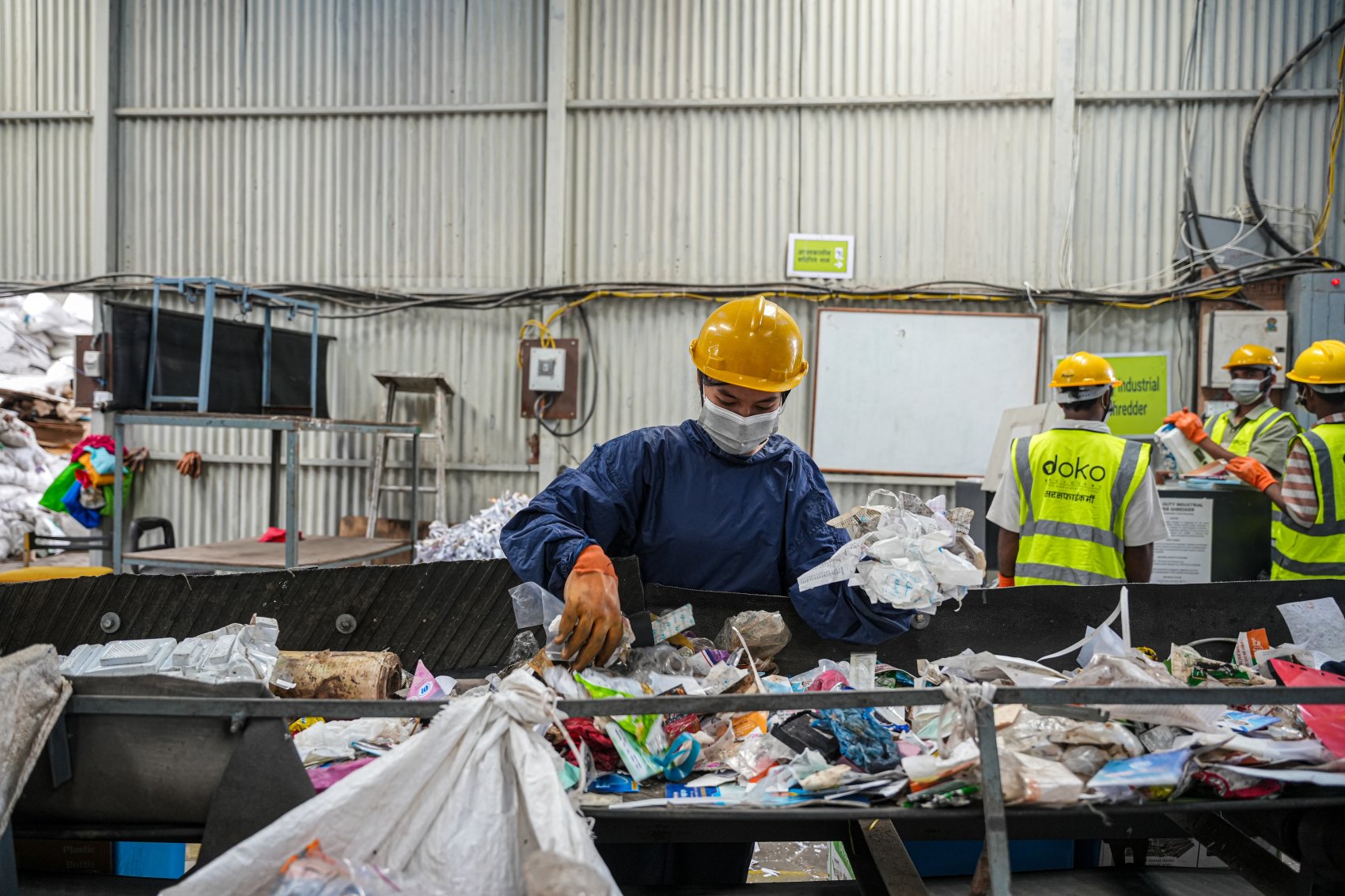
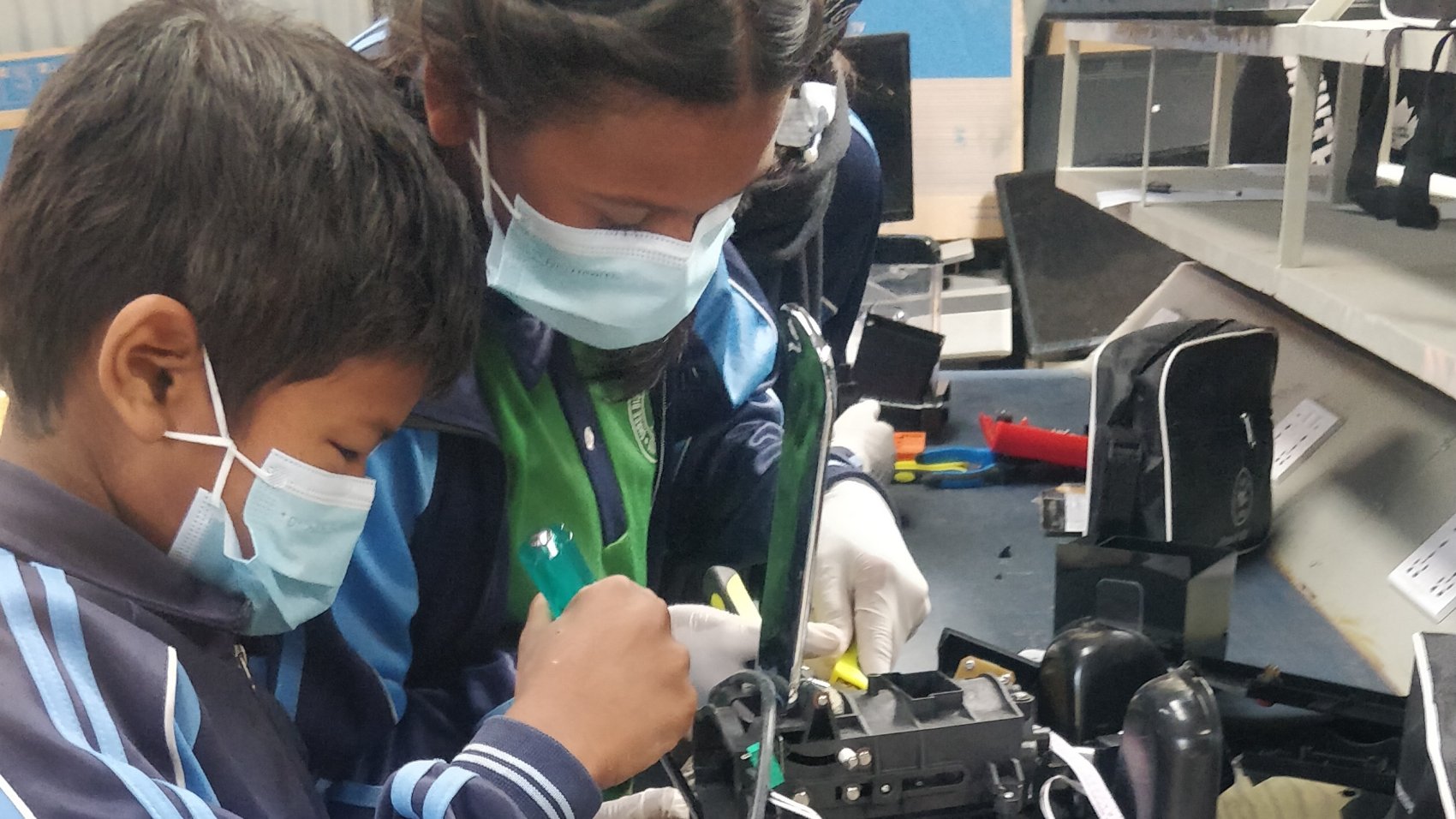
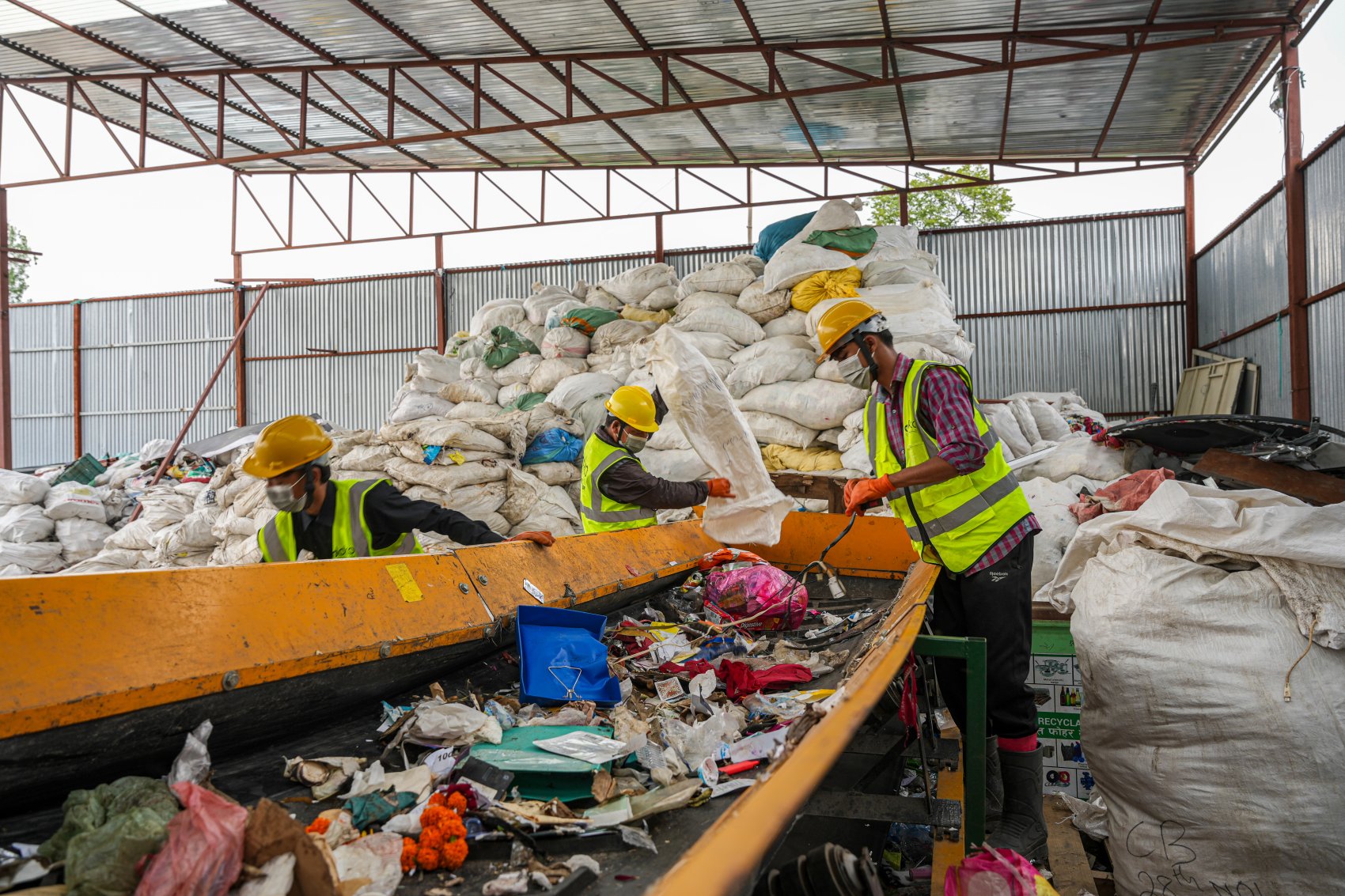
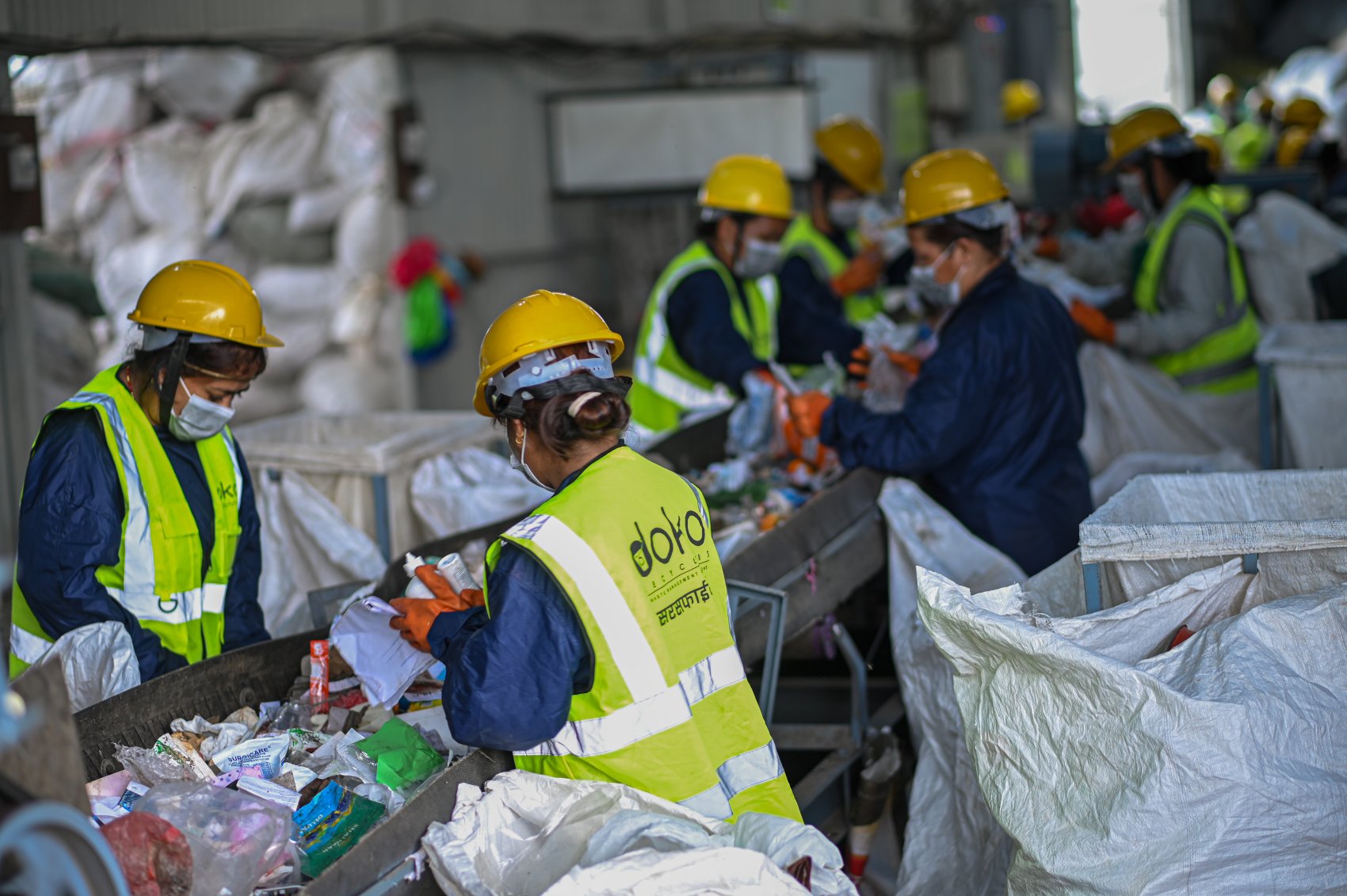
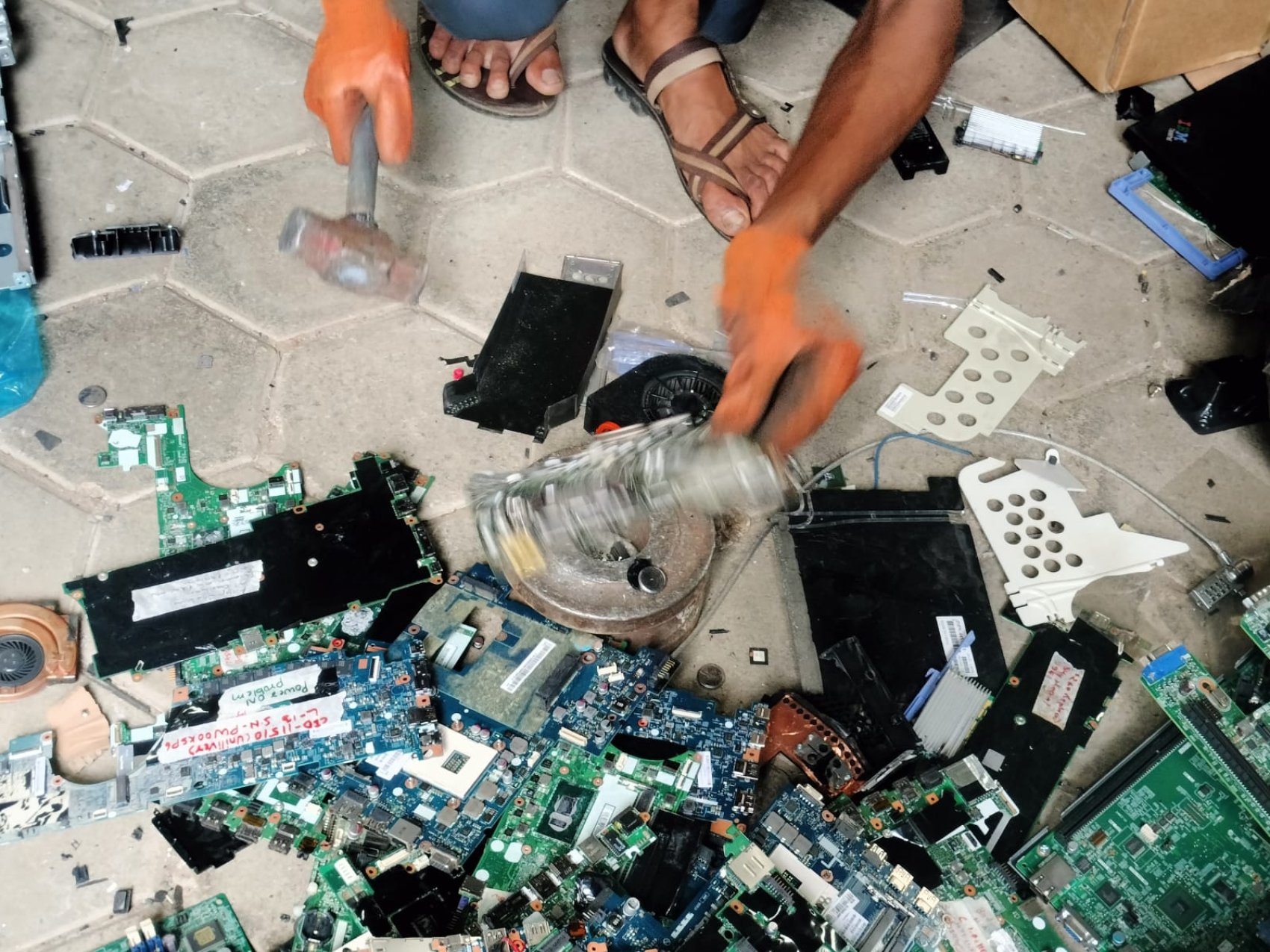
In Kathmandu, Doko Recyclers – Nepal’s leading e-waste management company – and the Repair Revolution Workshop & Training (RRWT) programme have processed an average of 250 kilograms of e-waste per day since 2021, recovering 80–90% of materials. But the real innovation lies in what happens before recycling: repair. RRWT trains youth, students and waste workers to fix electronics rather than discard them, thus building a pipeline of green skills that connects informal workers to formal employment, and grassroots action to national policy.
“Reusing and repairing are revolutionary acts, because they break the consumption cycle. They ask people to slow down, be present, and take control of what they already have, instead of constantly chasing something new.”
Ashma Basnyat, Co-founder, Doko Recyclers

The European Training Foundation (ETF) is delighted to count this initiative as one of the finalists for the Green Skills Award 2026. Read on to find out why.
The project
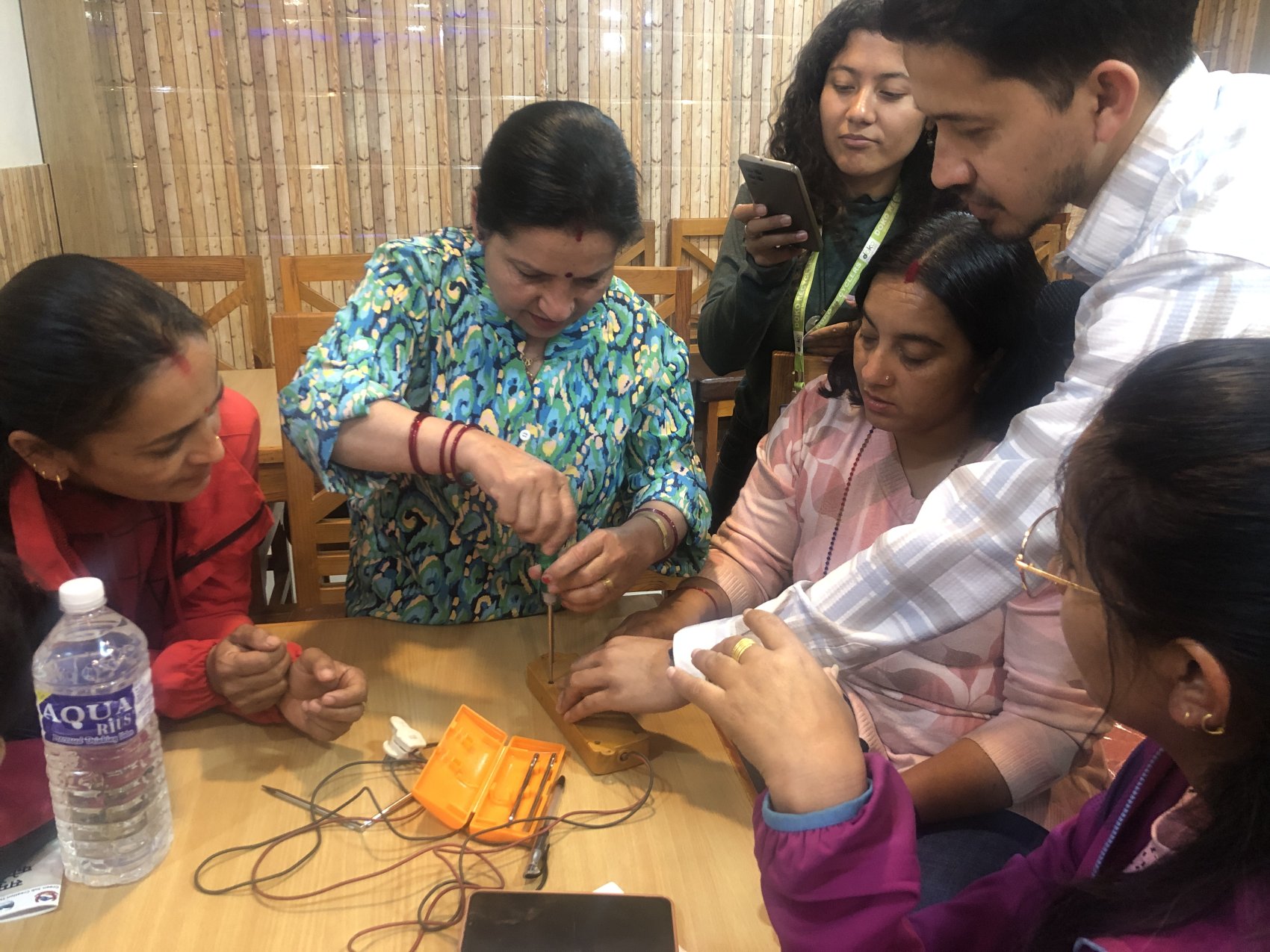
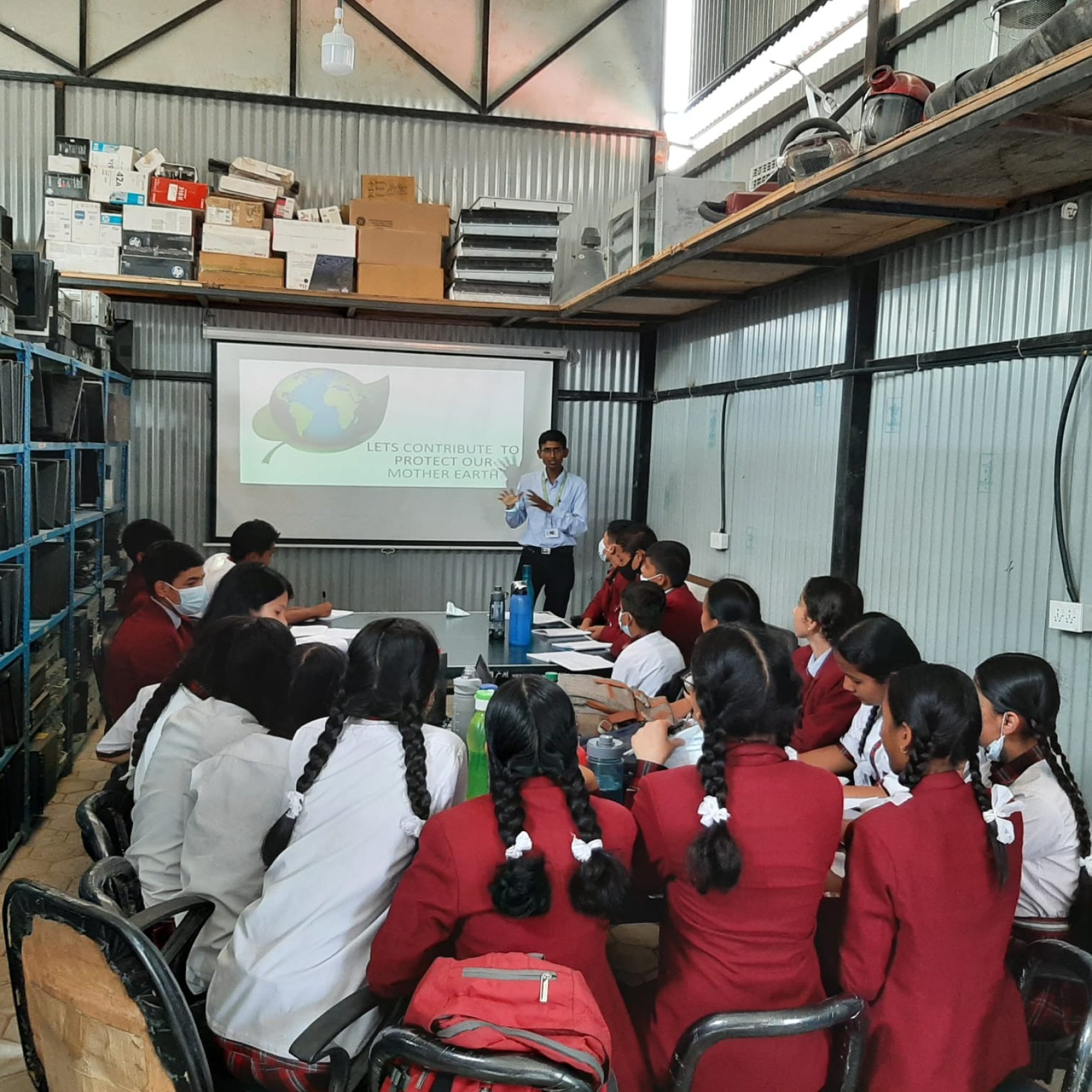
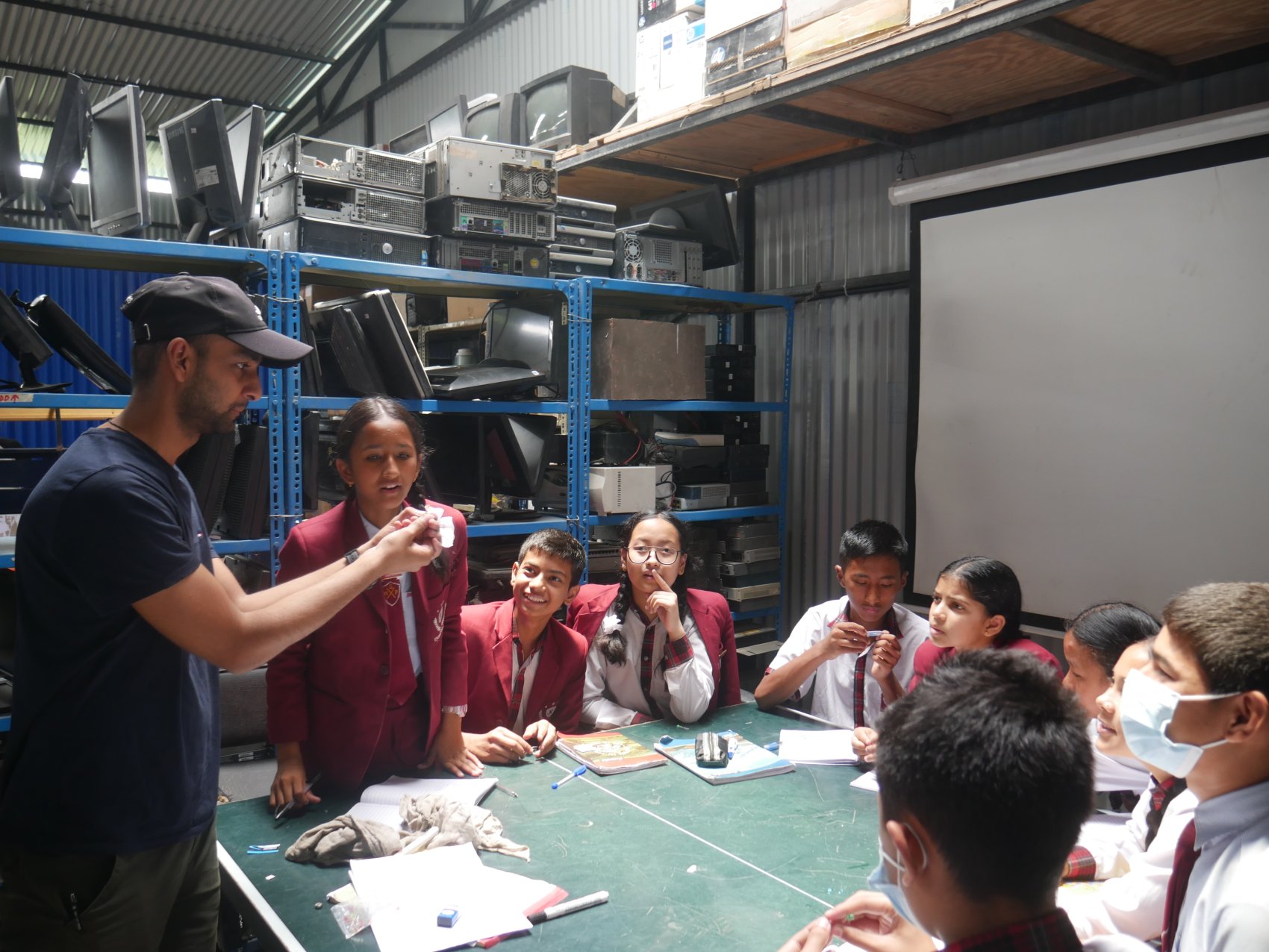
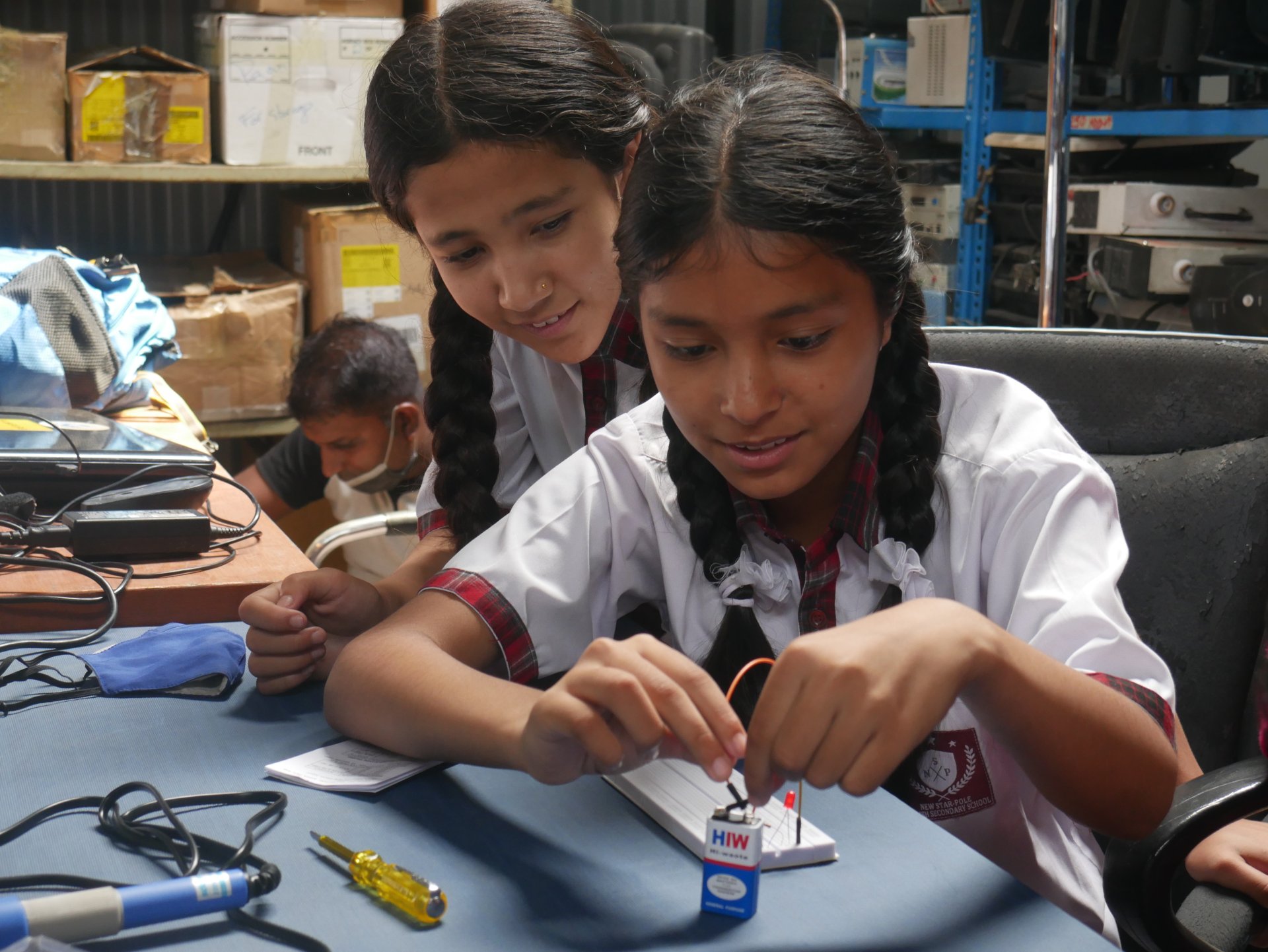
RRWT operates on multiple levels. At the community level, it offers hands-on repair workshops where participants learn to fix common household electronics – kettles, heaters, multiplug extensions – shifting the perception of e-waste from trash to repairable resources. At the vocational level, Doko co-developed Nepal’s first e-waste processor curriculum, which is certified by Nepal’s Council for Technical Education and Vocational Training (CTEVT). This curriculum covers 390 course hours, and embeds repair and circular economy skills into the national TVET system.
Beyond classrooms, 500+ technicians and waste workers have gained practical skills in safe e-waste handling, leading to skill growth and improved incomes. In addition, 17 participants have been trained to prepare them for jobs in the sector. To enable sustained growth, Doko is promoting a scholarship fund for the CTVET programme to support its Decentralised Collection Centres – small scale recycling collection points that are operated by women-owned businesses.
Doko also created Sikaru Saathi, a video-based repair teaching programme developed with the non-profit Karkhana Samuha, making repair skills accessible beyond the workshop.