From a single recycling bin to green transformation across 25 schools
Uzbekistan: Empowering students to lead environmental change through the Sustainable Future Society
What if a single classroom’s waste problem could spark a sustainability movement reaching 25,000 people?
In Uzbekistan, it did.
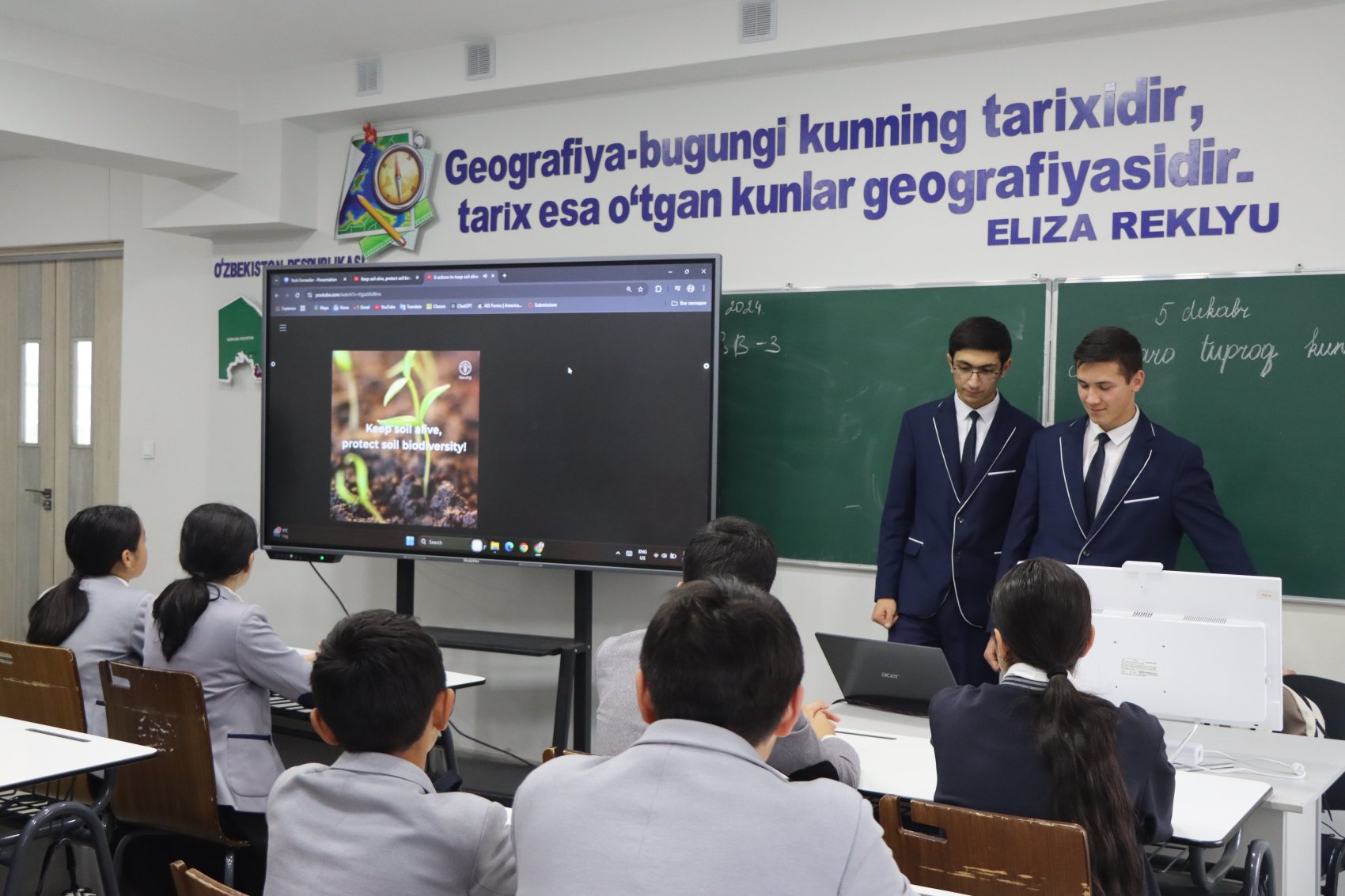
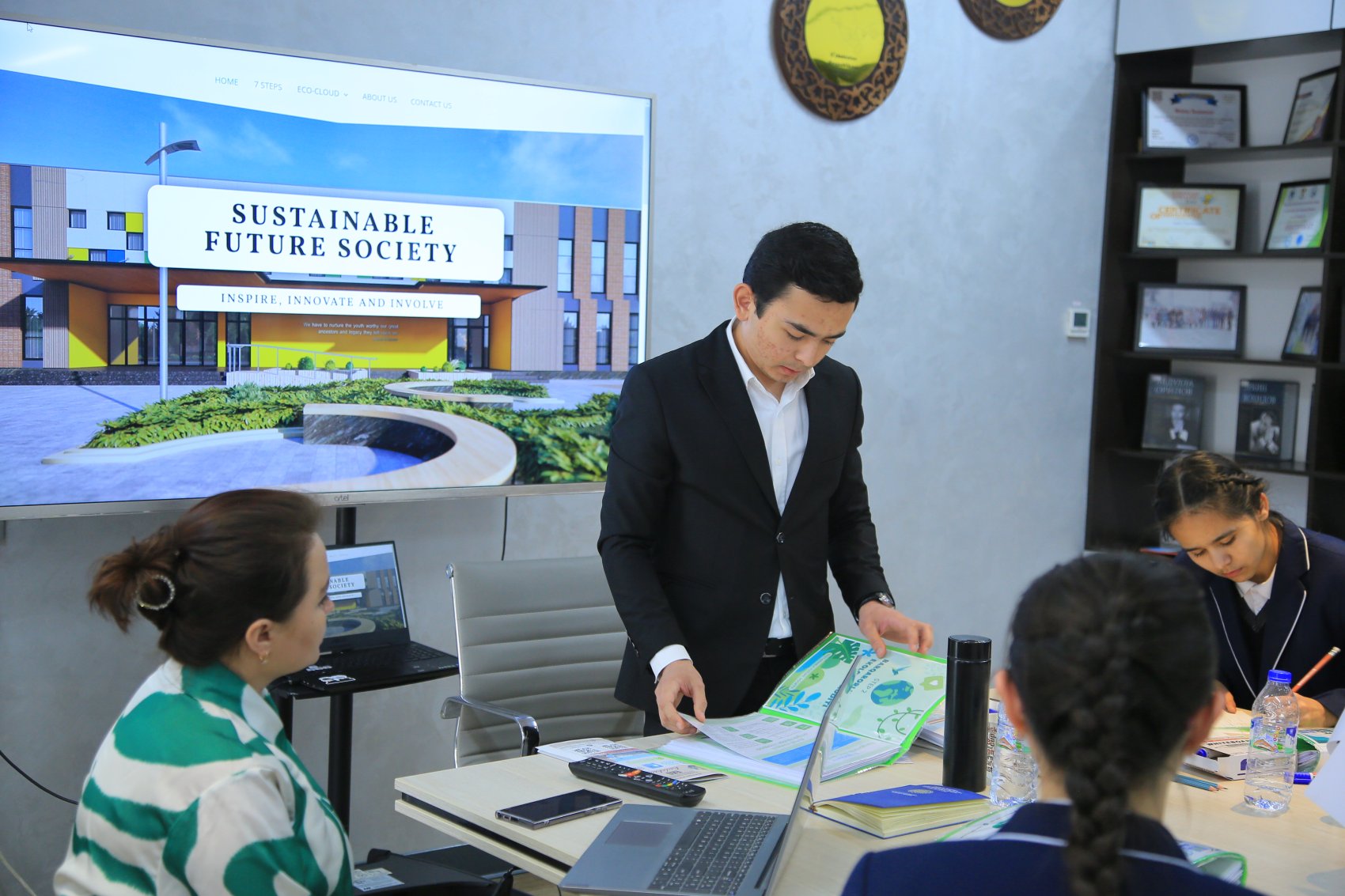
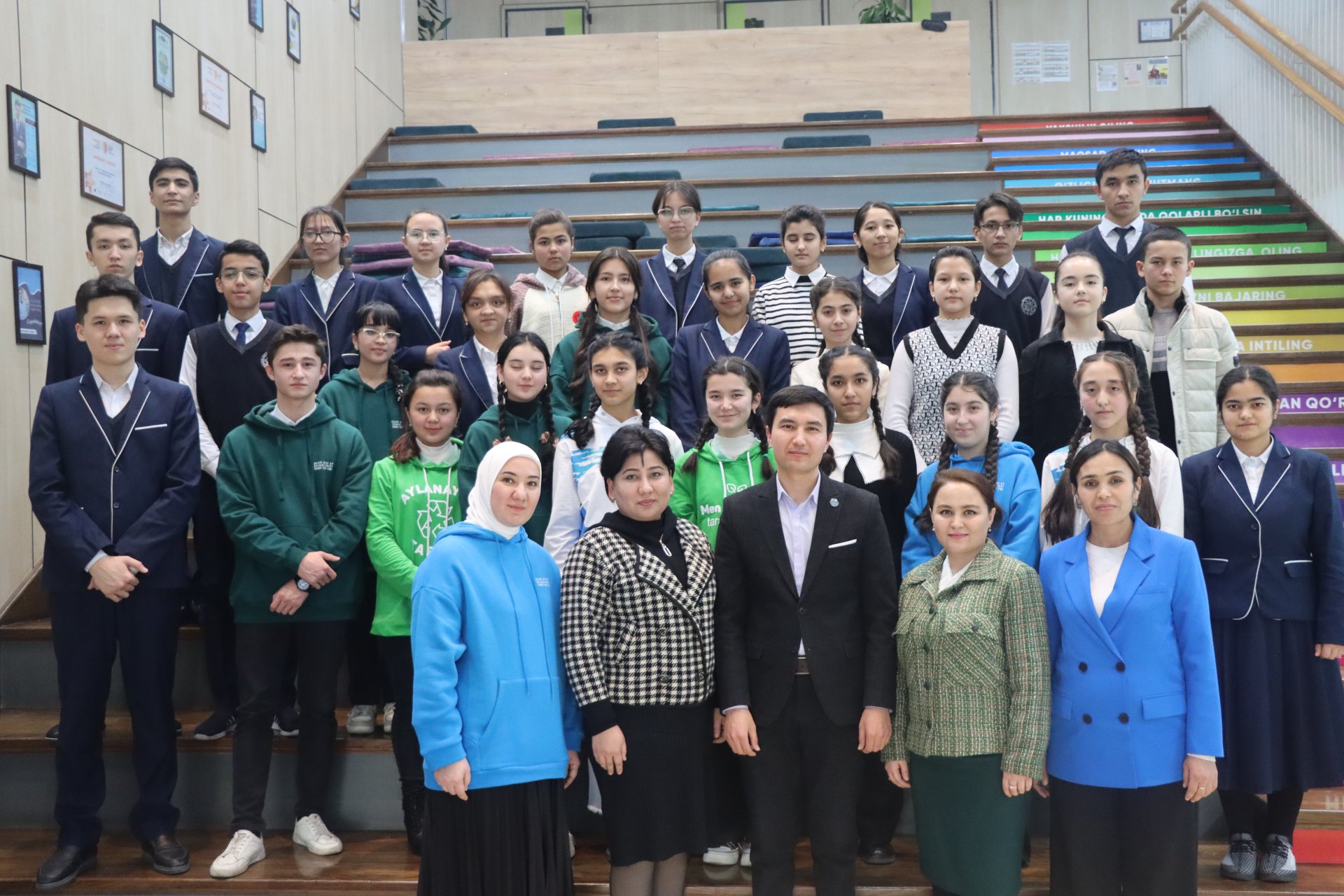
In Namangan, a city in eastern Uzbekistan, history teacher Abrorjon Sadriddinov noticed that students were throwing organic waste into recycling bins. Instead of just fixing the problem, he built an entire system to prevent it. He then trained 25 other schools to do the same. The Sustainable Future Society (SFS) is a student-led environmental education programme that moves schools from theoretical awareness to measurable action, using a methodology that has now reached over 25,000 people.
“The lesson we learned from this project is that we must give freedom to our young people. Freedom to think, freedom to decide, freedom to act.”
Abrorjon Sadriddinov, History Teacher, Presidential School Namangan

The European Training Foundation (ETF) is delighted to count this initiative as one of the finalists for the Green Skills Award 2026. Read on to find out why.
The project
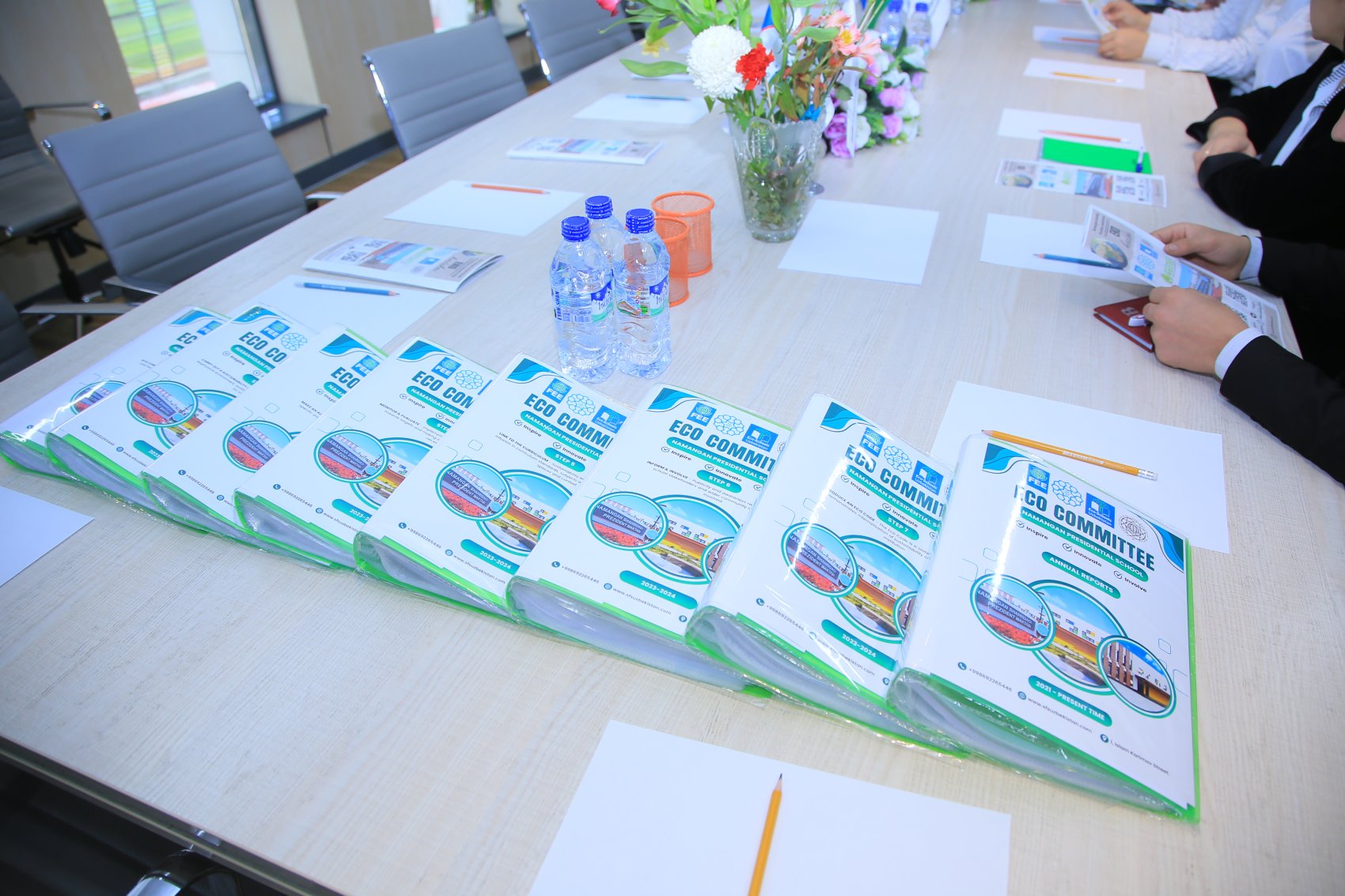
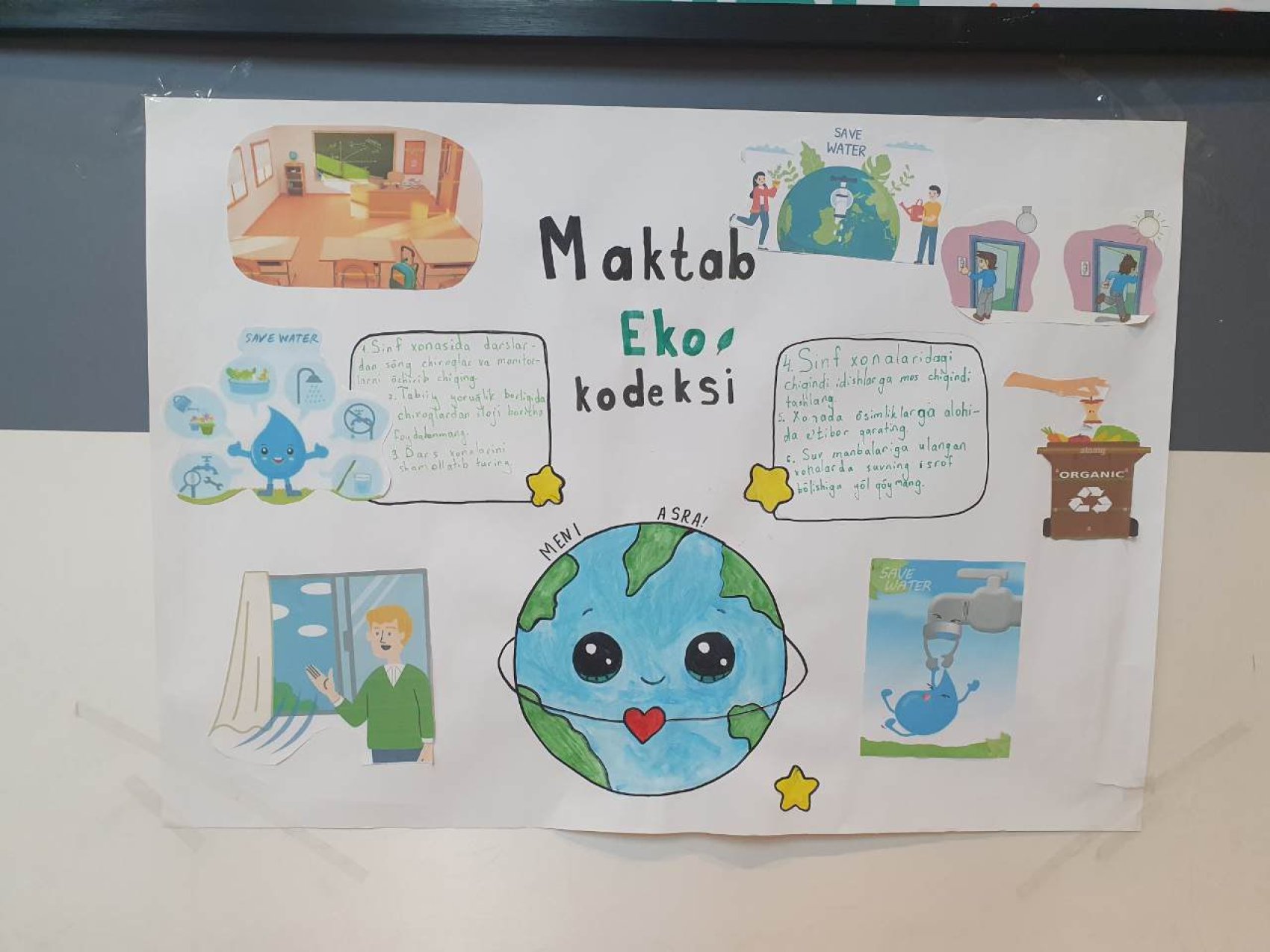
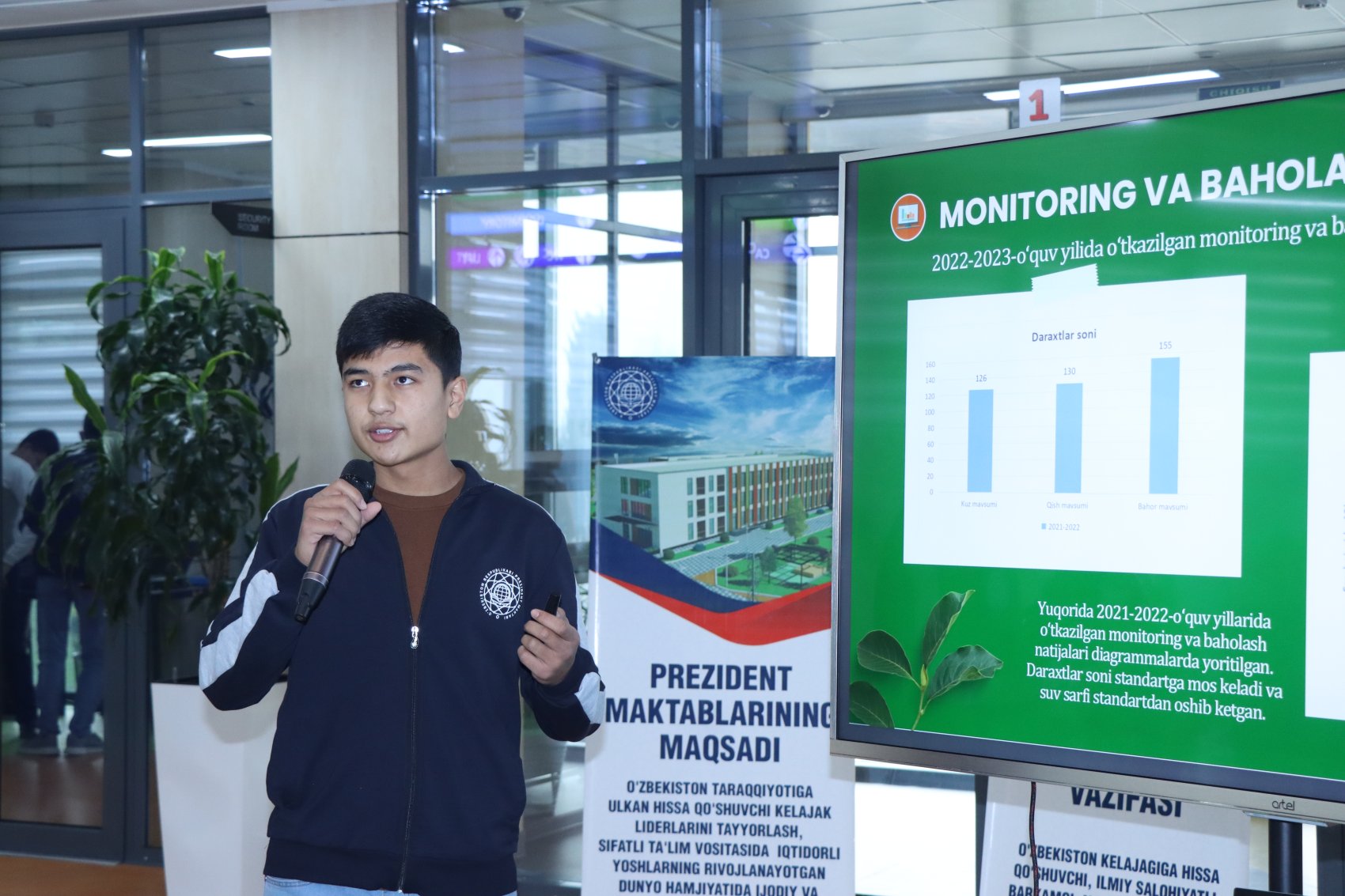
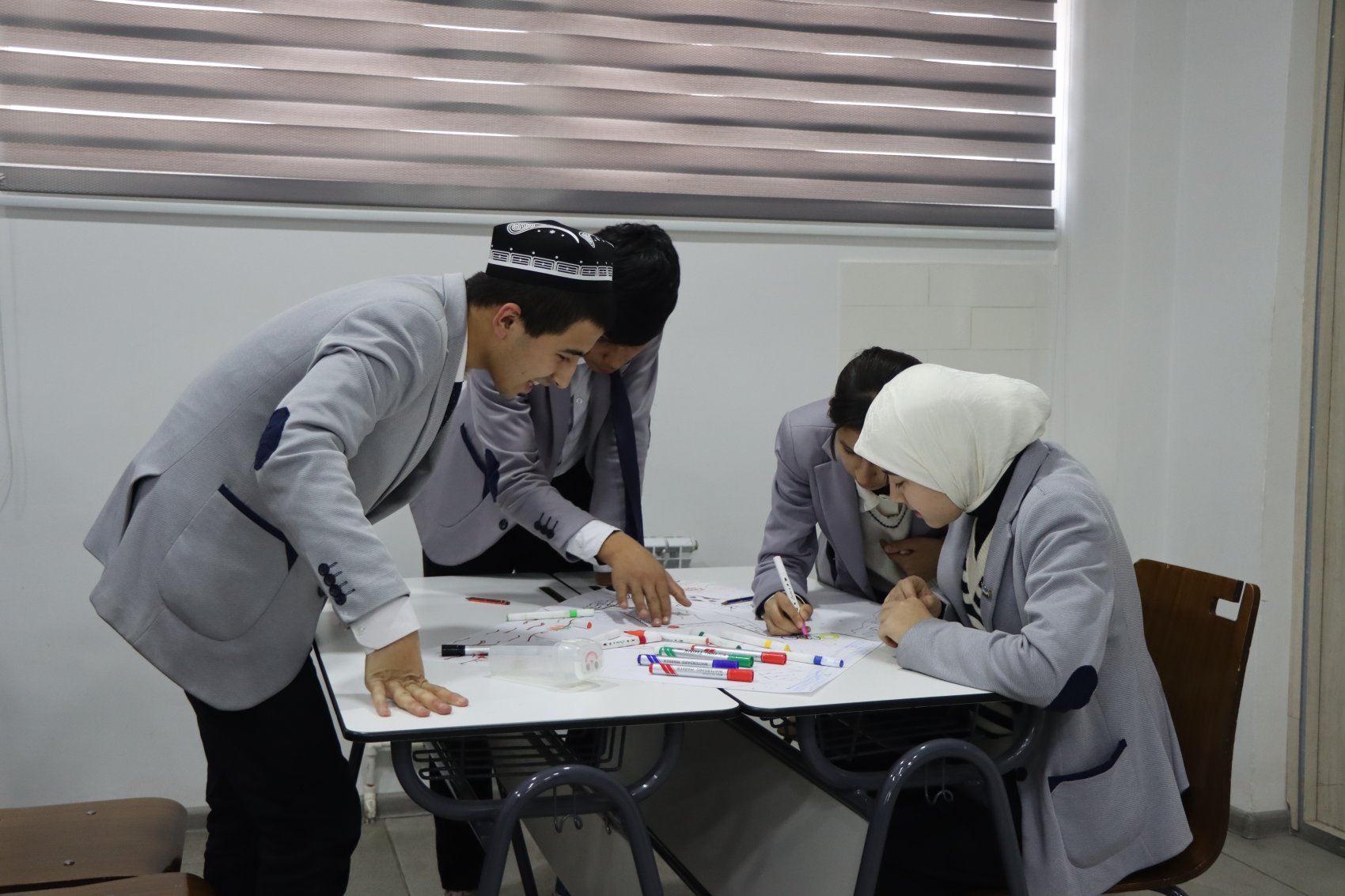
The Sustainable Future Society (SFS) follows the international Eco-Schools methodology, adapted by Abrorjon Sadriddinov and his students for the Uzbek context. It begins with forming eco-committees in each school, then guides students through sustainability audits, action plans, curriculum integration, monitoring and evaluation, community awareness campaigns and the creation of self-written eco-codes.
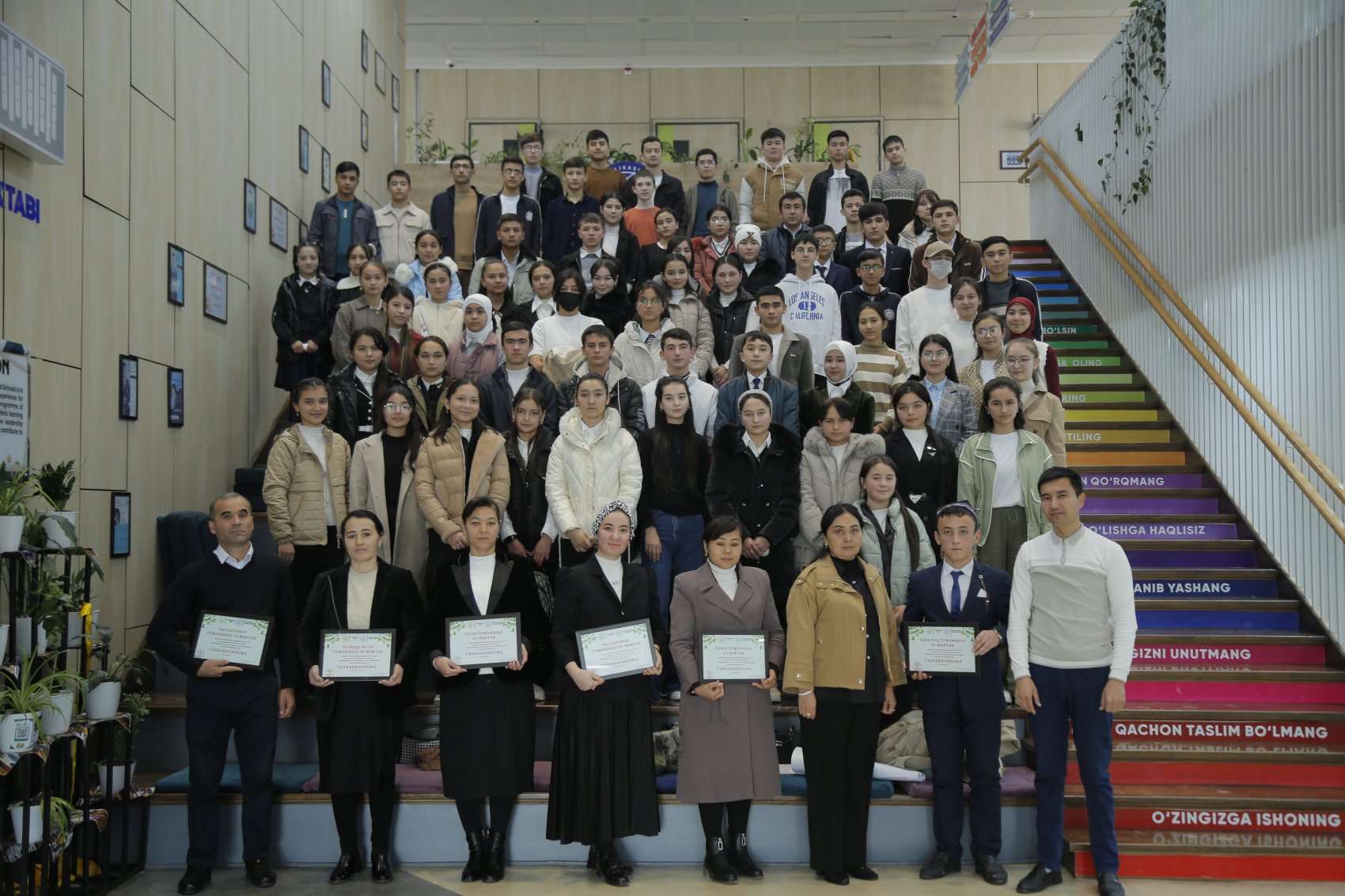
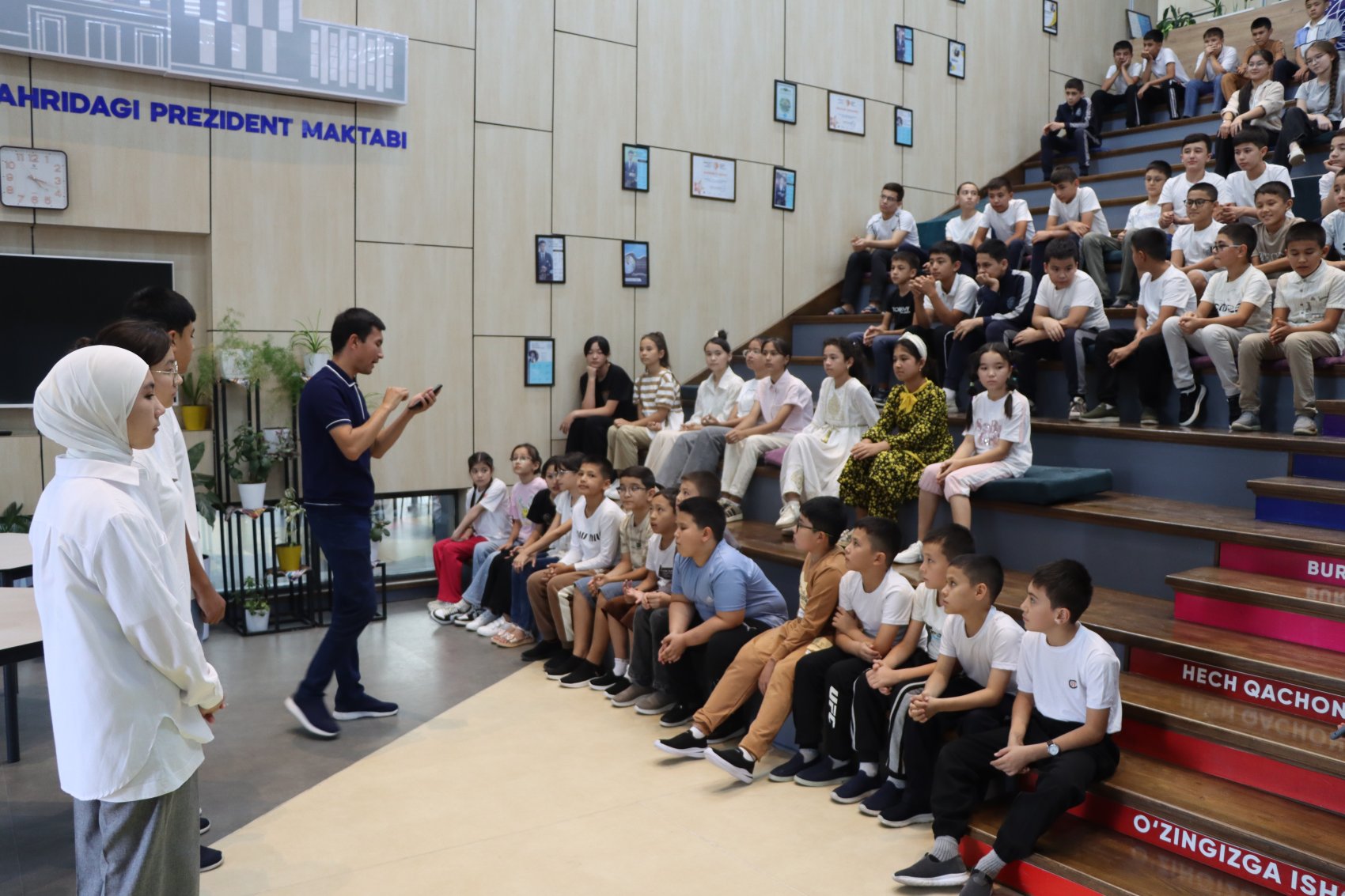
The programme’s first test site, Abrorjon’s own Presidential School in Namangan, obtained the internationally recognised Green Flag Award (a rigorous, externally validated sustainability certification) in just two years. From there, SFS expanded to 25 schools across the region, training teachers, students and parents in practical sustainability skills.