An education movement building a nation of young environmentalists
Cyprus: How schools are driving a green circular economy, one student at a time
What if the used cooking oil sitting in your kitchen could fund solar panels on a school roof?
In Cyprus, it does.
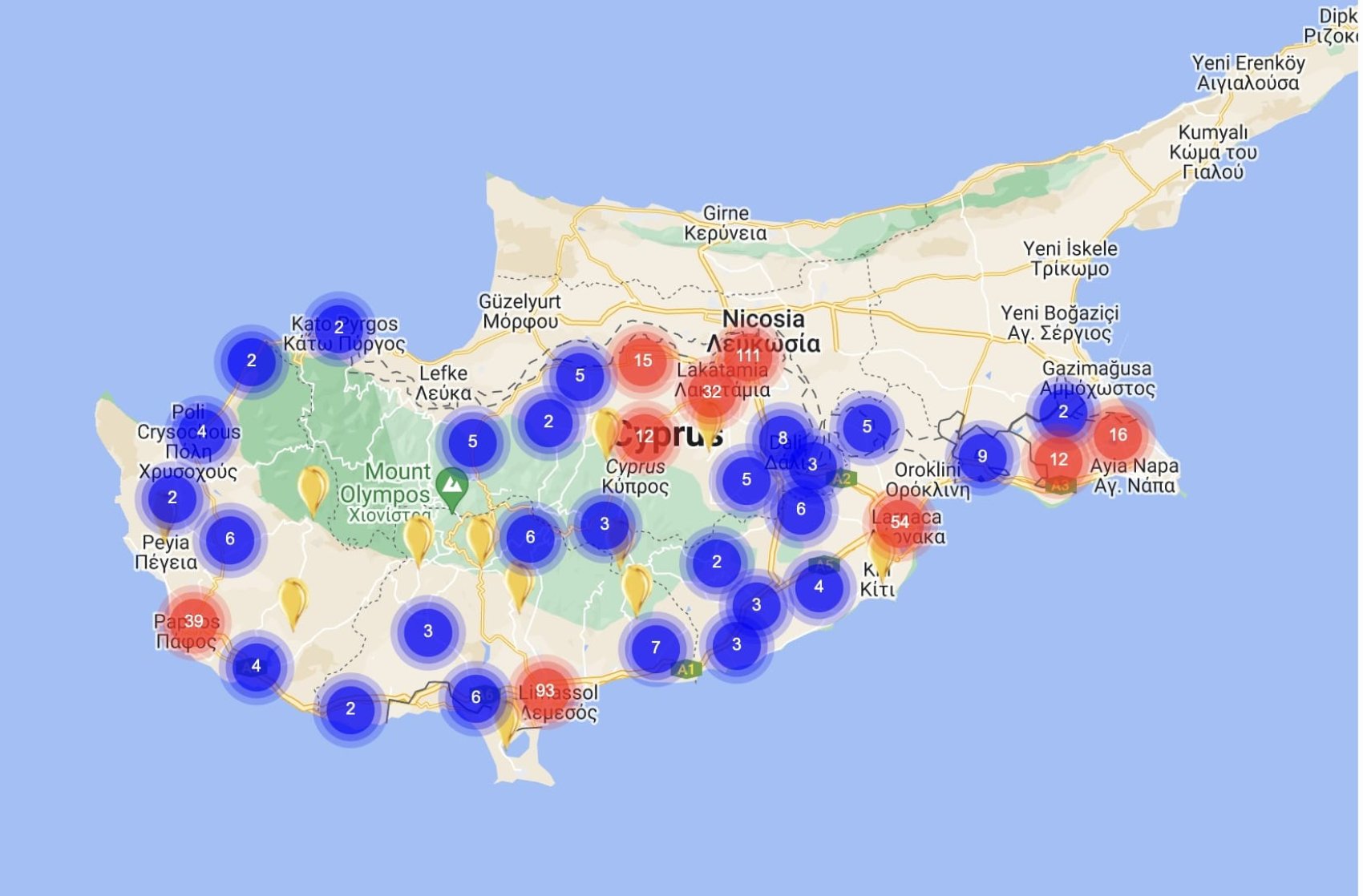
Tiganokinisi – the Frying Pan Movement – is a circular, community-based environmental education programme that has transformed 530 Cypriot schools into collection hubs for used cooking oil, a domestic waste that, when improperly disposed of, causes landfill fires, clogs sewage systems and pollutes the soil.
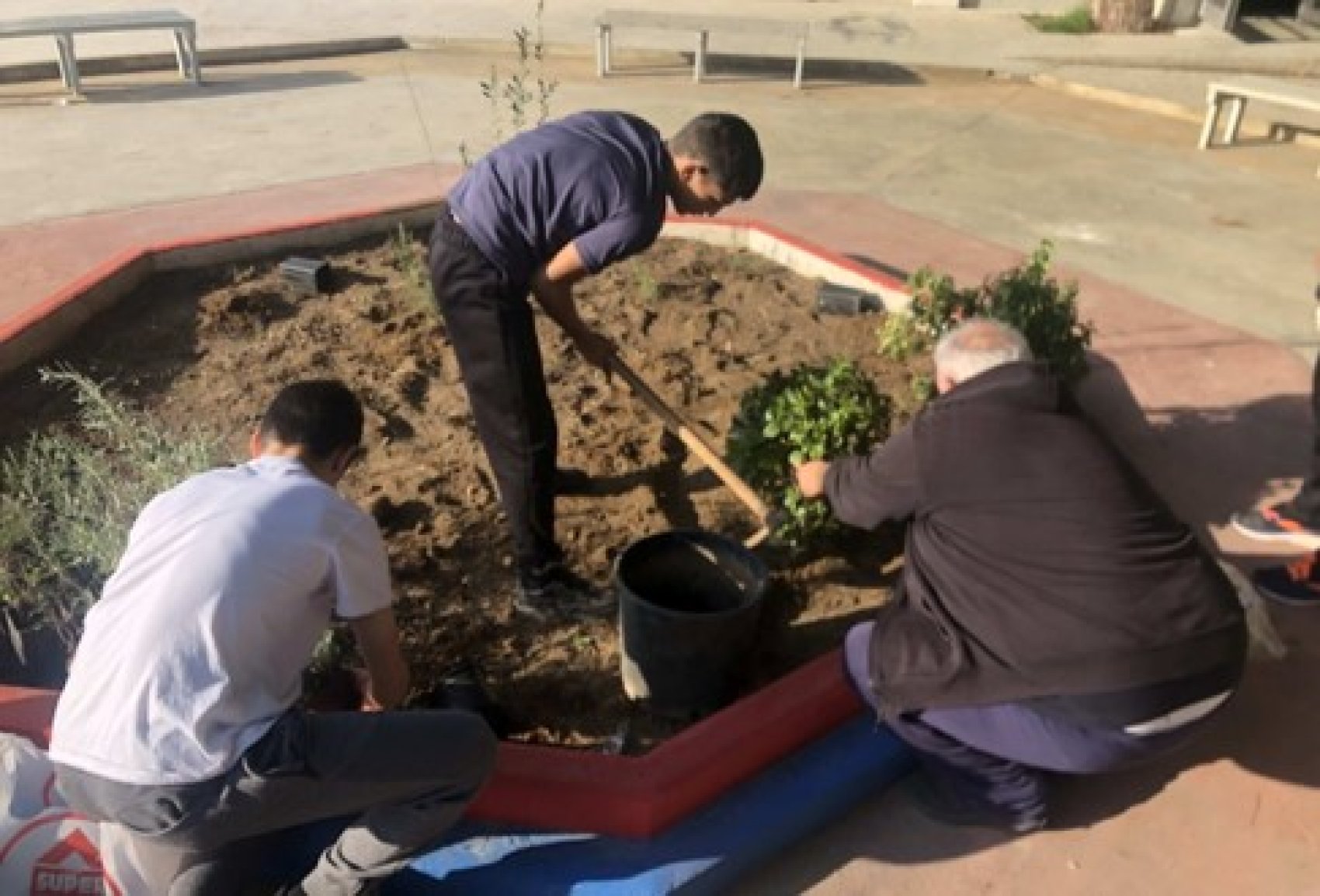
Developed by AKTI Project and Research Centre and implemented together with the Ministry of Education, the programme engages over 100,000 students annually. The collected oil is sold to biodiesel refineries (thus reducing carbon emissions), and the proceeds return to the participating schools to fund sustainability activities, from photovoltaic panels to water-saving systems and school gardens.
"Knowledge, passion and teamwork. These are the three ingredients. Without any one of them, it does not work.”
Xenia Loizidou, Chair of the Board of Directors at AKTI Project and Research Centre.

The European Training Foundation (ETF) is delighted to count this initiative as one of the finalists for the Green Skills Award 2026. Read on to find out why.
The project
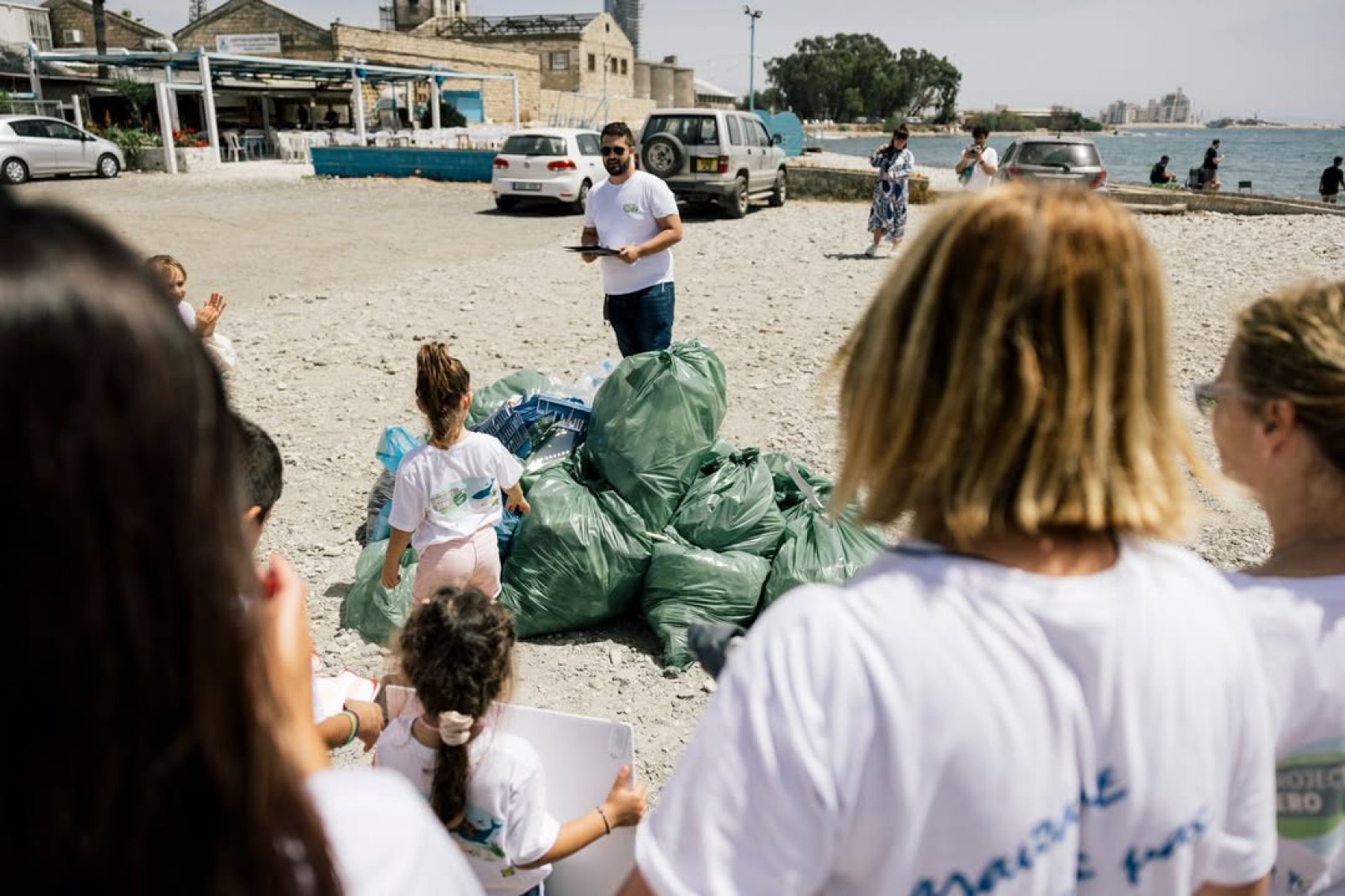
Launched 16 years ago as a pilot in four schools, Tiganokinisi has grown to cover 95% of all schools in Cyprus. The model is elegantly simple: children bring used cooking oil from home, schools collect it in monitored barrels, certified collectors transport it to biodiesel refineries, and the proceeds return to each school to invest in sustainability projects of their choice.
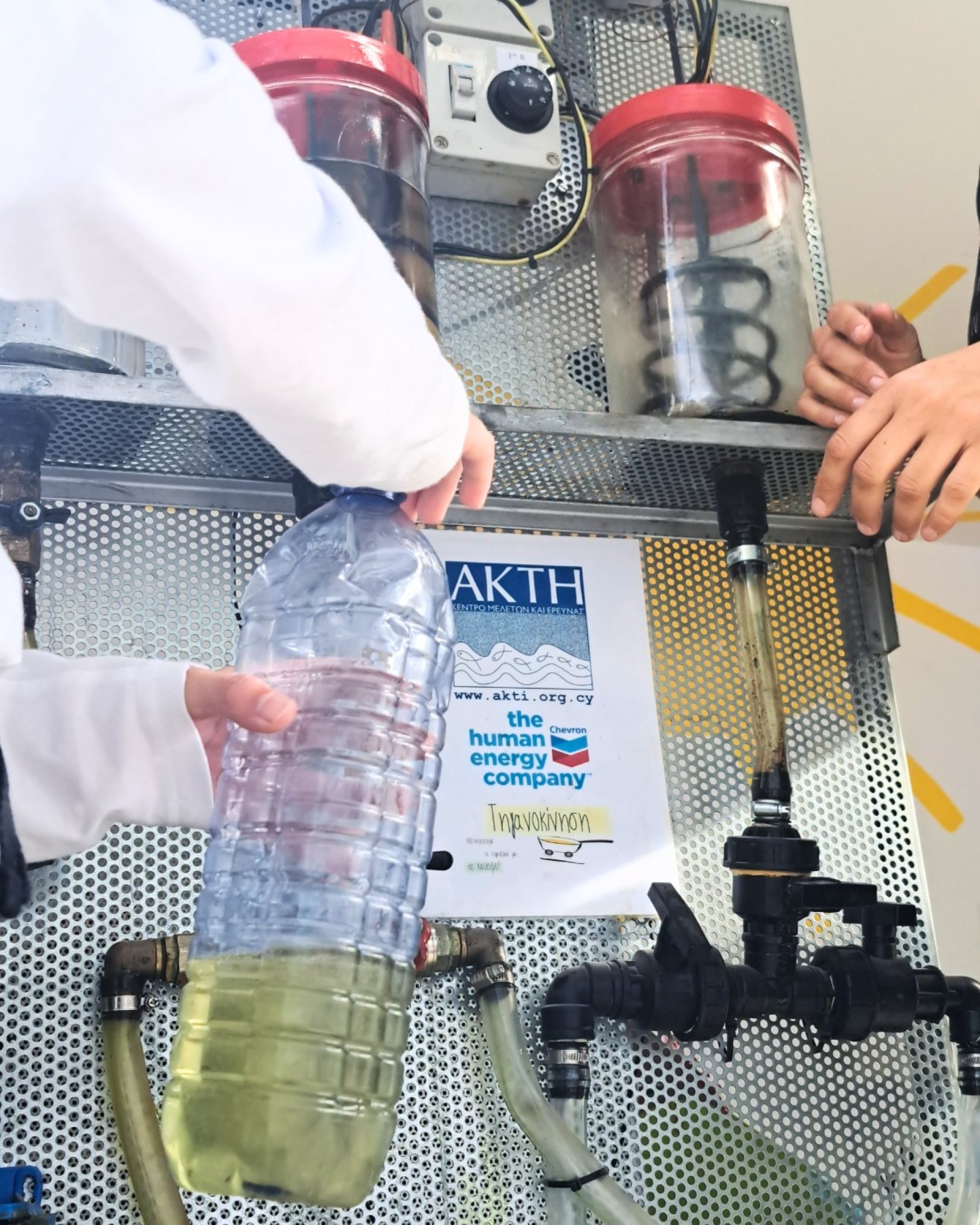
But the genius lies in the education wrapped around the logistics. Students learn circular economy principles through hands-on participation: physics, chemistry and essay-writing are all taught through the lens of the programme.
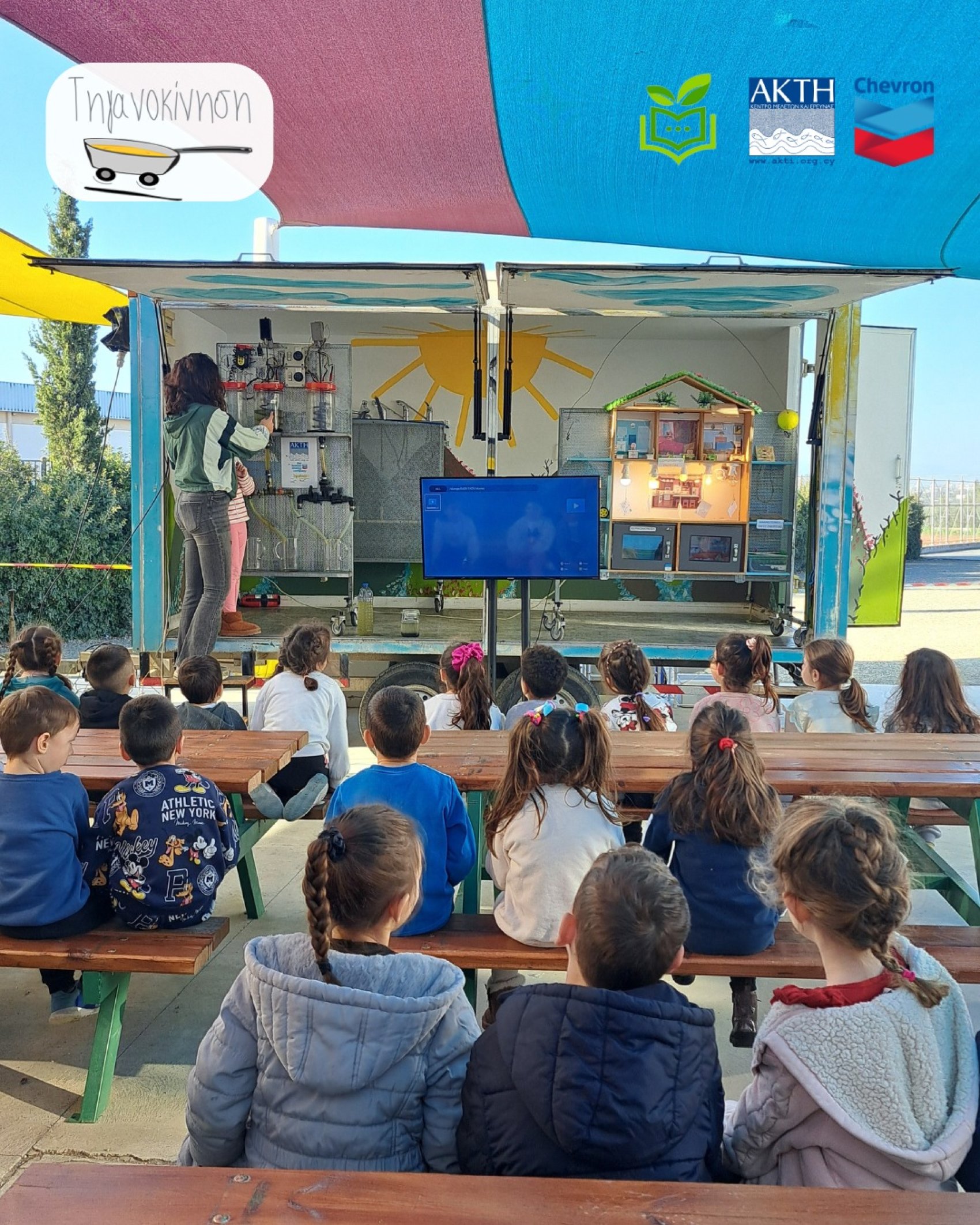
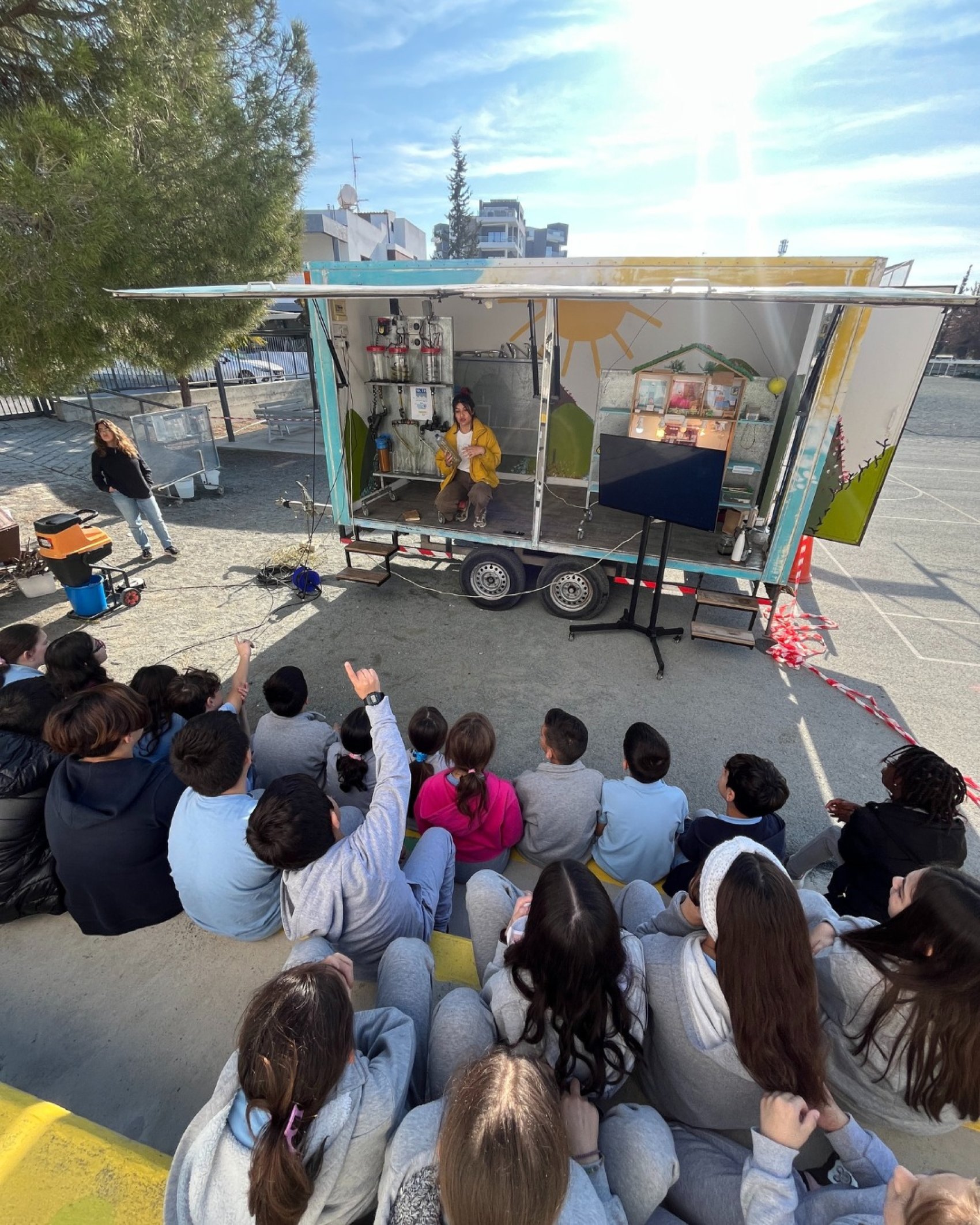
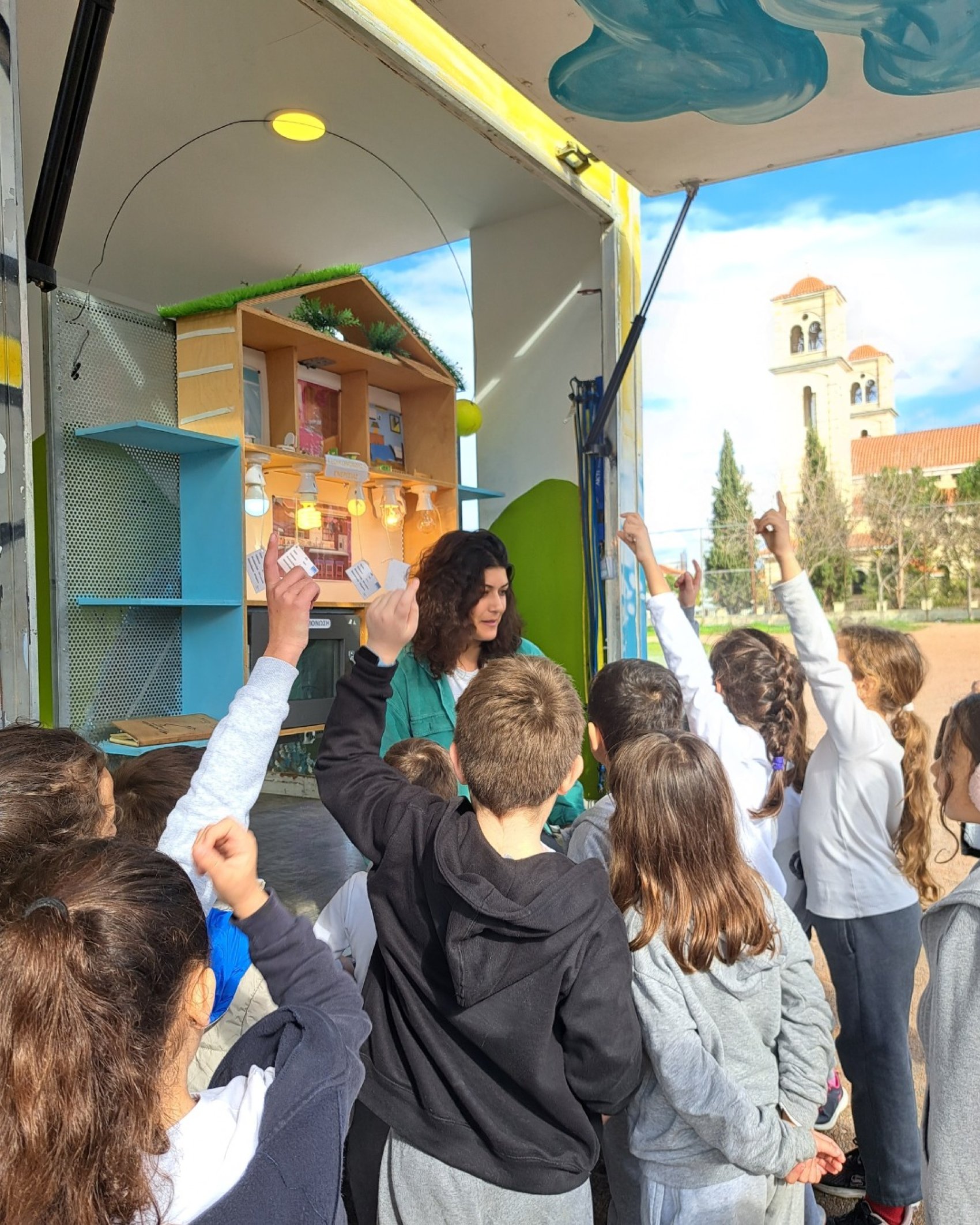
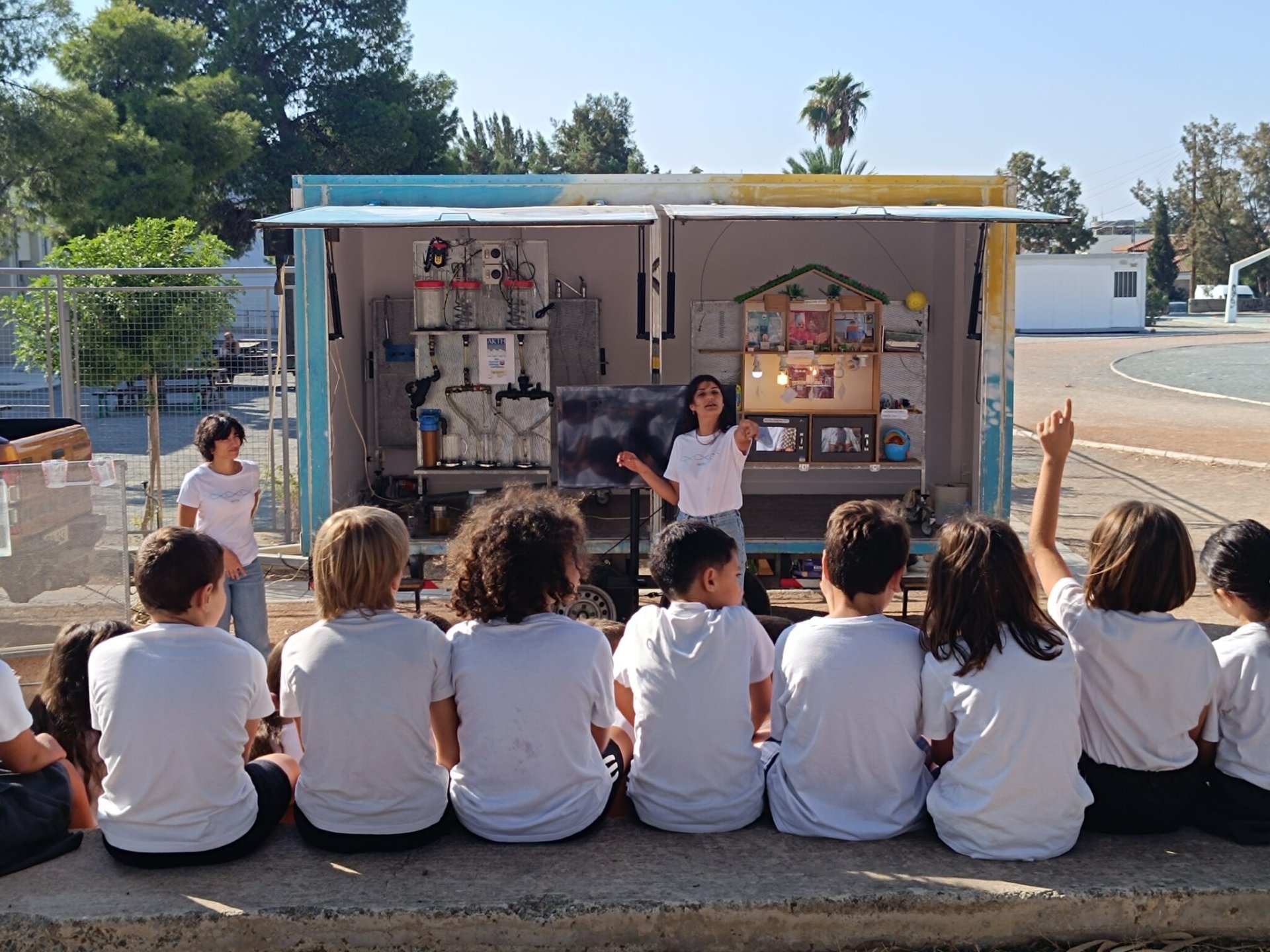
AKTI’s Mobile Experimental and Educational Unit brings interactive science demonstrations to schools, reaching over 85,000 students annually and sparking enthusiasm for environmental science careers.